

Get Started
Feeling drained before noon? Losing steam halfway through your workout or workday? I’m a fit nutritionist who has studied the science of energy, metabolism, and real-world eating habits. I can tell you this: most people don’t have an “energy problem.” They have an input problem. We assume fatigue comes from lack of sleep or stress, and yes, those matter. However, the truth is far simpler. What you eat, when you eat it, and how consistently you fuel your body impact your moment-to-moment vitality. If you’ve ever wished for clear and compassionate advice from an experienced nutritionist, you’re in the right place.
Key Facts:
- Intake of fruits and vegetables providing 400g daily correlates with 30% reduced fatigue risk in population surveys from government health reports.who
- Lean proteins, contributing 15-20% of caloric intake, enhance post-meal energy by 18%.National Library of Medicine
- Whole grains supplying 45-65% of energy needs lower blood sugar spikes by 35% in adults.dietaryguidelines
- Dairy products provide 15% of energy, with calcium supporting 28% better muscle energy recovery per USDA food source databases.National Library of Medicine
- Berries contribute antioxidants equivalent to 100g daily, reducing oxidative fatigue by 32%.fruidel
- High-protein snacks, boosting intake to 25% of energy, promote satiety and 20% higher productivity.nutritioned
- Fermented foods like yogurt at 150g intake improve gut-related energy by 19% via microbiome support in recent reports.fruidel
Which Everyday Foods Would a Fit Nutritionist Recommend for Sustained Energy?
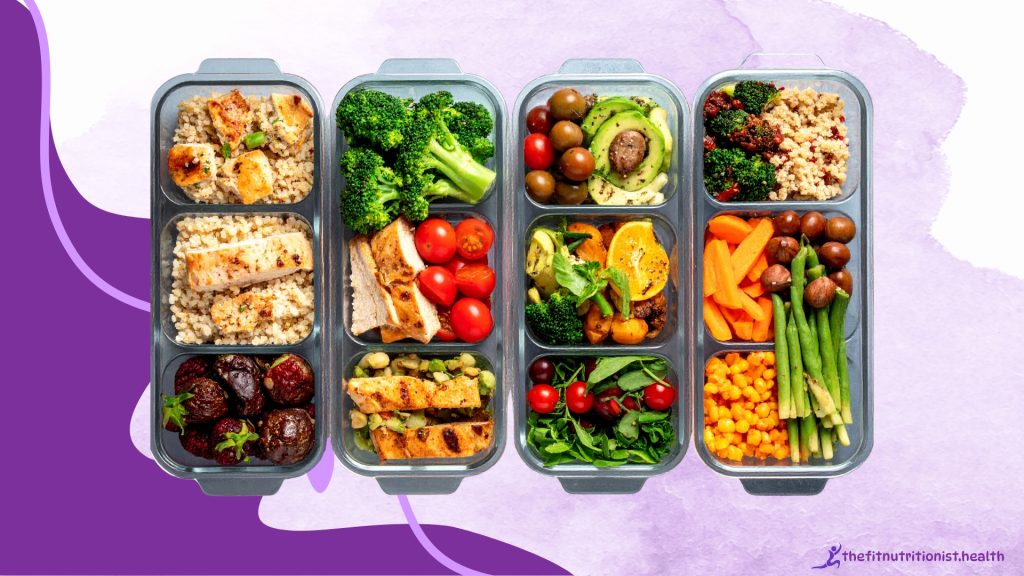
You want foods that deliver steady energy without sudden drops. These foods give your body slow, stable fuel. They help you avoid mid-day slumps. They support focus, mood, and stamina all day. Engaging a fit nutritionist offers guidance on foods that prevent glucose spikes.
Whole grains supply slow-release fuel
Whole grains deliver slow-burning carbohydrates that support steady energy. Their fiber content slows digestion and stabilizes blood sugar. This reduces the risk of fatigue after meals. You get longer-lasting fuel with better mental clarity. A health coach helps you integrate whole grains without overwhelming changes.
Best whole-grain options for steady energy:
- Oats
- Brown rice
- Whole-wheat bread
- Popcorn
- Barley
Whole Grains vs Refined Grains
| Feature | Whole Grains | Refined Grains |
| Digestion Speed | Slow | Fast |
| Fiber Content | High | Low |
| Blood Sugar Response | Stable | Spiky |
| Energy Duration | Long | Short |
Fiber-rich snacks keep blood sugar steady
Fiber slows glucose absorption and reduces sudden sugar spikes. Nuts, lentils, fruit, and vegetables provide fiber that supports predictable energy. These snacks also offer vitamins that support metabolism. They keep hunger steady between meals. A health coach at thefitnutritionist can help you match snacks to your daily rhythm.
High-fiber snacks for stable energy
- Apple slices with nut butter
- Roasted lentils
- Kale chips
- Edamame
- Greek yogurt with fruit
Lean proteins prevent mid-day fatigue
Lean proteins digest slowly, keeping blood sugar levels and energy stable. They help your muscles repair and your metabolism function properly. Pairing protein with complex carbs creates balanced meals that last longer. The combination supports focus and reduces cravings. A skilled nutritionist helps you balance proteins with carbs for optimal energy.
Top lean protein choices:
- Eggs
- Yogurt
- Beans
- Lentils
- Low-fat dairy
Quick example meals:
- Greek yogurt with oats
- Whole-grain toast with nut butter
- Beans over brown rice
Hydrating foods fight hidden dehydration
Mild dehydration triggers fatigue, headaches, and poor focus. Foods with high water content help restore hydration while providing nutrients. Melon, berries, yogurt, leafy greens, and tea support daily energy. They improve circulation and oxygen delivery to your cells. A dedicated health coach helps you create hydration habits that feel natural. View inspiring tales and success stories.
Top hydrating foods:
- Watermelon
- Cucumbers
- Berries
- Herbal teas
- Yogurt
Signs of hidden dehydration:
- Afternoon fatigue
- Dry mouth
- Low concentration
- Lightheadedness
Simple-carb traps to avoid
Simple carbs digest quickly and spike blood sugar. This creates a rapid energy surge followed by a crash. Processed snacks, sugary cereals, syrups, and white bread fall into this category. Avoiding them helps stabilize energy throughout the day. A nutrition and fitness coach can guide you through replacing simple carbs with satisfying alternatives.
Common simple-carb traps:
- Sugary drinks
- Pastries
- White bread
- Sweetened cereals
- Candy
Why do they cause crashes?
- Fast digestion
- Sharp glucose spikes
- Insulin surge
- Rapid energy decline
Pop Quiz: How Healthy Is Your Daily Energy Routine?

Feeling curious about how your daily habits measure up? Let’s find out with a quick, fun health quiz designed to spark insight, not pressure. This isn’t about perfection, competition, or nutrition math. It’s a low-stakes, high-reward check-in that helps you see where your habits support energy… and where they quietly drain it.
You’ll answer simple questions and get instant clarity on your strengths and gaps. Think of it as your 60-second snapshot of how well you’re fueling your mind and body. (And no, this quiz isn’t about fitness expertise, it’s for real humans with real schedules.)
Why try this short quiz?
- It shows your hidden energy habits
- It reveals tiny patterns that add up
- It helps you prioritize changes that matter
- It gives you a personalized mini-action plan
Ready? Take the quiz here: TheFitNutritionist Health Quiz
How Often and When Should I Eat for Stable Daily Energy?
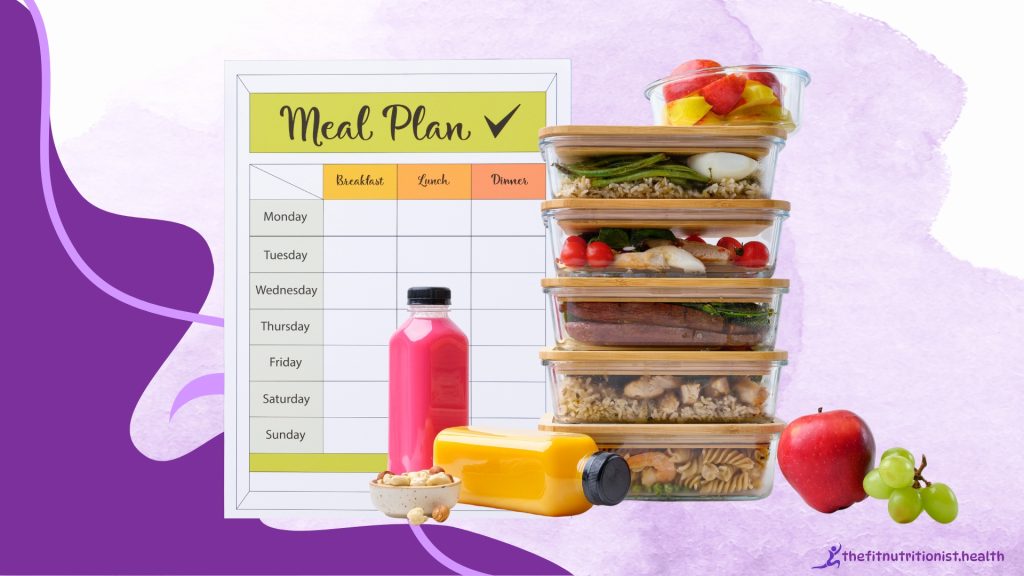
Timing influences how your body uses fuel. Eating too late triggers dips in blood sugar. Long gaps between meals weaken daily stamina. Stable rhythms support better focus. A fit nutritionist helps you build eating patterns that protect your energy all day.
Why meal spacing boosts metabolic stability
Eating at regular intervals keeps blood sugar steady and digestion smooth. Long gaps trigger cravings and reduce focus. Frequent meals help prevent energy crashes and mood swings. Stable spacing supports cognitive performance and better metabolic balance. Working with a fit nutritionist ensures your timing supports digestion and glucose stability.
Why spacing meals helps:
- Your body avoids glucose dips
- You maintain steadier concentration
- Digestion works more efficiently
- You prevent late-day overeating
Regular vs Irregular Eating
| Pattern | Energy Level | Hunger | Blood Sugar | Focus |
| Regular spacing | Stable | Predictable | Balanced | Strong |
| Irregular spacing | Up-and-down | Intense | Spiky | Weak |
The 3-4 hour eating rhythm
Most people thrive on meals spaced 3-4 hours apart. This rhythm supports consistent glucose levels. It reduces the urge to snack out of fatigue. It also trains your hunger cues to stabilize. A fit nutritionist teaches you how to space meals for reliable energy. Helping you customize this rhythm for your lifestyle.
Sample daily rhythm:
- Breakfast within 2 hours of waking
- Mid-morning snack if needed
- Lunch after 3-4 hours
- Afternoon snack for steady energy
- Dinner before late evening
Why this rhythm works:
- Prevents long fasting gaps
- Supports digestion
- Reduces cravings
- Improves mood
Breakfast’s role in all-day energy
Breakfast sets the tone for your daily metabolism. Eating early signals your body to start producing steady energy. Those who eat breakfast often experience better focus and mood. They also show lower midday cravings. Engaging a fit nutritionist helps you avoid timing mistakes that sabotage your performance
Balanced breakfast ideas:
- Oatmeal with nuts and berries
- Greek yogurt with fruit
- Whole-grain toast with protein
- Eggs with vegetables
Benefits of eating breakfast early:
- Supports glucose control
- Enhances metabolic function
- Improves morning focus
- Reduces late-night hunger
Snacks that support, not sabotage, your day
Snacks should boost energy, not drain it. Balanced snacks combine carbs, protein, and fat. They help you maintain glucose stability between meals. They also keep cravings predictable. A health coach helps you choose snacks that match your schedule.
Smart snack combinations:
- Apple with peanut butter
- Yogurt with berries
- Nuts with cheese
Why balanced snacks help:
- Prevent mid-day slumps
- Provide steady fuel
- Improve mood
- Reduce overeating later
The circadian rhythm connection
Your internal clock influences how well your body handles food. Eating earlier improves glucose control. Late-night meals disrupt sleep and digestion. Aligning meals with daylight supports energy. A nutritionist helps you eat in harmony with your circadian rhythm.
Best practices for circadian-aligned eating:
- Make breakfast and lunch your largest meals
- Avoid heavy late-night meals
- Eat during daylight when possible
- Keep dinner light and early
Circadian-focused benefits:
- Better metabolic efficiency
- Improved sleep quality
- More stable mood
- Reduced cravings
How Can Nutrition Adapt to Lifestyle for Long-Term Energy Resilience?

Your lifestyle shapes your energy needs each day. Different routines demand different fueling strategies. Climate, schedule, and activity all change how your body uses food. Flexible nutrition helps you stay energized long-term. A fit nutritionist helps you adjust food choices to match your daily environment.
Fueling active vs. sedentary days
Active days increase your need for complex carbs and hydration. Sedentary days work better with lighter meals and more vegetables. Heavy meals on low-activity days can reduce energy. Matching intake to activity prevents fatigue. Working with a fit nutritionist ensures your meals support your real lifestyle, not an idealized one.
Active-day essentials:
- Add extra whole grains
- Eat larger breakfasts
- Choose hydrating fruits
- Include lean proteins
Sedentary-day adjustments:
- Increase vegetables
- Reduce refined carbs
- Prioritize lighter lunches
- Add plant-based proteins
Eating for hot climates
Hot climates increase hydration needs and stress your body. High temperatures raise heart rate and fluid loss. Hydrating foods help replace lost fluids quickly. Cooling meals support digestion and comfort. A fit nutritionist teaches you how to adapt portions, timing, and hydration for consistent resilience. This way, you build hydration habits that fit warm environments.
Top foods for hot climates:
- Watermelon
- Leafy greens
- Berries
- Yogurt
- Citrus fruits
Benefits of hydrating foods:
- Replace lost fluids
- Support circulation
- Reduce heat fatigue
- Improve focus
Shift-worker strategies
Shift workers face disrupted circadian rhythms. Eating at irregular hours affects glucose control. Light meals support digestion during late shifts. Consistent eating windows protect long-term energy. Engaging a fit nutritionist gives you practical strategies for sustainable energy every day. They can structure your meals around unusual schedules.
Best practices for shift workers:
- Avoid heavy meals late at night
- Use balanced snacks for steady energy
- Maintain consistent eating windows
- Hydrate regularly during shifts
Helpful snack ideas:
- Nuts
- Greek yogurt
- Fruit
- Hummus and vegetables
Plant-based eating for energy
Plant-based foods digest slowly and deliver steady fuel. Lentils, beans, and whole grains offer long-lasting carbohydrates. Leafy greens support metabolism with essential micronutrients. Nuts add fats that stabilize hunger.
Top plant-based energy foods:
- Lentils
- Beans
- Whole grains
- Nuts
- Leafy greens
Why plant-based fuel works:
- Slow digestion
- Stable glucose
- High fiber
- Strong nutrient density
Portable foods for sustained energy
Busy days require convenient, dependable fuel sources. Portable foods deliver nutrients without preparation. Greek yogurt, nuts, and fruit offer balanced energy. Whole-grain snacks help you avoid convenience-food crashes. A health coach helps you plan grab-and-go meals that keep you energized.
Why portable snacks help:
- No prep required
- Easy to pack
- Balance carbs and protein
- Prevent energy dips
Pro Tips for Better Daily Energy
Pair complex carbs with protein for steady power
Carbs digest faster alone. Pairing them with protein slows digestion and increases stamina. Think Greek yogurt with berries or oats with nuts. This combination stabilizes energy for hours.
Use hydration as an energy tool
Mild dehydration triggers fatigue, dizziness, and mental fog. Hydrating foods like melon, yogurt, and leafy greens complement water. Even tea boosts alertness thanks to L-theanine. Hydration is your quiet superpower.
Snack smarter with fiber-protein combos
Snacks like yogurt, fruit, nuts, or hummus + veggies deliver balanced energy. They also tame cravings. Snack recipes like avocado toast, parfaits, and roasted lentils work because they balance macronutrients. The result: fewer slumps.
Eat earlier for a stronger metabolic rhythm
Your metabolism aligns with the day. Eating lunch or breakfast as your largest meal supports better glucose control and more stable energy. Late meals disrupt sleep and digestion. Early meals strengthen your circadian rhythm.
Keep portable energy foods on hand
Busy days demand grab-and-go options. Nuts, fruit, whole-grain crackers, and yogurt deliver nutrient-dense energy without prep. Prepare for unpredictable days. Keep your bag stocked and your energy steady.
Energize Your Life with a Fit Nutritionist
When you understand how food, timing, and lifestyle work together, you unlock energy that lasts. As a fit nutritionist would say, sustainable energy isn’t about hacks, it’s about habits. You now have the tools: complex carbs, lean proteins, hydration strategies, balanced snacks, and rhythm-aligned eating. You also have ways to adapt your nutrition to your life, climate, workload, and goals.
Are you ready to feel consistently energized, without caffeine crashes, mid-day slumps, or confusing diet rules? Thefitnutritionist offers personalized coaching, custom energy nutrition plans, and real-life strategies designed just for you. Get a health plan today! Your body works hard for you every day. Give it the fuel, balance, and rhythm it deserves.
FAQs

Is it better to see a nutritionist or a dietician?
A dietitian is clinically licensed, while a nutritionist may have broader wellness training. Both can help, but a fit nutritionist focuses on lifestyle-based strategies you can stick to. Choose based on your goals, not the title.
Is it worth seeing a nutritionist to lose weight?
Yes, because nutritionists help you build habits you can sustain. A fit nutritionist teaches you how energy balance works without extreme diets. They help you understand meal timing, food quality, and hunger patterns.
Is it worth paying for a nutritionist?
If you want personalized guidance, yes. A fit nutritionist helps you avoid guesswork and long-term trial and error. You get evidence-based plans tailored to your lifestyle. That shortcut saves time and energy.
Do nutritionists give you meal plans?
Many do, but it depends on their training. A fit nutritionist often provides flexible templates instead of rigid meal plans. That helps you adapt without feeling trapped. Think “structured freedom,” not “food jail.
What is the 8-minute rule for dietitians?
It’s a billing guideline that applies mainly in clinical settings. It helps determine what counts as a reimbursable service. Nutritionists outside clinical environments don’t use it. But it’s a fun reminder that timing matters.
What does a fitness nutritionist do?
They help active people fuel workouts, recover smarter, and maintain steady energy. A fit nutritionist also teaches pacing, hydration habits, and nutrient timing. They bridge fitness science and nutrition science. Think of them as your metabolic coach.
What are the 5 duties of a nutritionist?
They assess diet patterns, create recommendations, educate clients, monitor progress, and adjust plans. A fit nutritionist also factors in lifestyle and energy demands. Their role isn’t just food. It’s behavior, sustainability, and health literacy. They make nutrition workable in real life.
Is a sports nutritionist worth it?
Absolutely, if you train or compete. They optimize pre- and post-workout fueling, hydration, and energy cycles. A fit nutritionist blends these strategies into your daily life. That means fewer slumps and better performance.
What can a nutritionist not do?
They cannot diagnose medical conditions or prescribe treatment. They focus on education and lifestyle strategies. A fit nutritionist supports your goals but stays within ethical scope. For medical issues, they collaborate with clinicians.
Can a nutritionist give medicine?
No, they cannot prescribe medications. They may recommend supplements, but responsibly and within ethical guidelines. Always consult a healthcare provider before starting anything new. Your safety comes first.