Get Started
Congratulations on your new arrival! With the right approach, which involves combining nutrition, movement, and patience. Achieving your goals through a healthy diet to lose weight after pregnancy is absolutely possible. As you settle into motherhood, you might be wondering about safely returning to your pre-pregnancy weight. You’re not alone; most new moms share this concern. It’s crucial to work with an experienced nutritionist and fitness coach. One who will show you how to recover while gradually shedding those extra pounds.
Key Facts and Statistics:
- Obesity rates pre-pregnancy increased by 11% from 2016 to 2019 per health reports. national library of medicine
- Postpartum women require 500 additional calories daily during lactation, according to the USDA Dietary Guidelines for Americans 2020-2025.dietaryguidelines
- CDC reports 81% of U.S. hospitals provided breastfeeding mothers with dietary counseling in 2024 mPINC surveys.cdc
- Only 23% of postpartum women meet fruit intake recommendations per the USDA 2020-2025 guidelines. dietaryguidelines
- Maternal iron needs increase to 9-10 mg daily postpartum per NIH Office of Dietary Supplements. cdc
- 65% of lactating women fall short of calcium intake goals at 1,000 mg daily from HHS guidelines. dietaryguidelines
- USDA FNS data shows WIC participants improve diet quality by 15% postpartum through 2025 programs. fns.usda
- CDC notes 45% of postpartum diets lack adequate omega-3 fatty acids for brain health. cdc
- Postpartum folate requirements stand at 500 mcg DFE daily per Dietary Guidelines 2020-2025.dietaryguidelines
- 72% of U.S. mothers experience vitamin D deficiency risks postpartum per NIH 2024 assessments. cdc
What’s The Best Postpartum Healthy Diet to Lose Weight After Pregnancy?
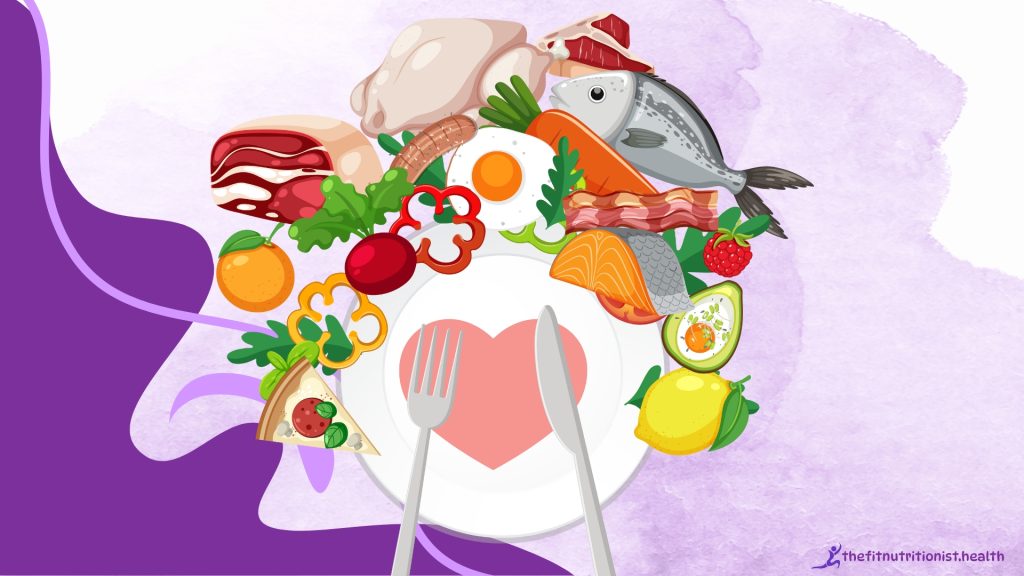
Your journey begins with smart nutrition choices that honor your body’s healing needs. A healthy diet to lose weight after pregnancy focuses on nourishment first, weight loss second. This approach ensures you have energy for baby care while gradually shedding pounds. Strategic meal planning makes sustainable results achievable within a 12-week timeline.
Recovery takes priority during your postpartum period. Your body requires proper fuel to repair tissues and balance shifting hormones. Crash diets slow your metabolism and steal vital nutrients your recovering system needs. Partnering with a dietitian ensures your healthy diet to lose weight after pregnancy meets both healing and weight loss goals.
Prioritize Nutrient-Dense Whole Foods
The foundation of any healthy diet to lose weight after pregnancy starts with whole, unprocessed foods. These nutrient powerhouses deliver maximum vitamins, minerals, and antioxidants per calorie. Exactly what your recovering body craves. Unlike empty-calorie options, whole foods keep you satisfied longer while naturally supporting fat loss.
Think of your plate as a colorful canvas. Here’s how to fill it for optimal results:
Vegetables (50% of your plate):
- Leafy greens: Spinach, kale, arugula, Swiss chard
- Cruciferous options: Broccoli, cauliflower, Brussels sprouts, cabbage
- Colorful choices: Bell peppers, carrots, tomatoes, sweet potatoes
- Why they matter: Packed with fiber, vitamins A, C, K, and folate for postpartum recovery
Lean Proteins (25% of your plate):
- Animal sources: Chicken breast, turkey, fish (salmon, cod, tilapia), eggs
- Plant sources: Lentils, chickpeas, black beans, tofu, tempeh
- Dairy options: Greek yogurt, cottage cheese, low-fat cheese
- Benefits: Supports tissue repair, maintains muscle mass, enhances satiety
Research published in the Academy of Nutrition and Dietetics confirms that adequate protein intake helps you stay satisfied while breastfeeding. And supports post-exercise recovery. Each meal should include 20-30 grams of protein to maximize these benefits.
Healthy Fats (Smart additions):
- Avocados (¼-½ fruit per serving)
- Nuts and seeds (1-2 tablespoons)
- Olive oil (1-2 teaspoons for cooking)
- Fatty fish twice weekly
Despite their calorie density, these fats promote fullness and help your body absorb vitamins A, D, E, and K. Which are all critical for postpartum hormone balance. A nutrition coach can help you determine the perfect fat portions for your healthy diet to lose weight after pregnancy. All without overdoing calories. See real transformations highlighted in our client success stories.
Whole Grains (25% of your plate):
| Refined Grains | Whole Grain Alternatives | Fiber Content |
| White rice | Brown rice, quinoa | 3.5g per cup |
| White bread | Whole wheat, sprouted grain | 4g per slice |
| Regular pasta | Whole wheat pasta | 6g per cup |
| Sugary cereal | Oatmeal, bran flakes | 5-8g per serving |
Pro tip: Start each day with a fiber-rich breakfast combining protein and complex carbs, like oatmeal with nuts and berries. This combination stabilizes blood sugar and prevents mid-morning energy crashes.
Calculate Your Caloric Sweet Spot
Finding the right calorie balance is crucial. Eat too little, and you’ll sabotage your metabolism and milk supply. Eat too much, and weight loss stalls. For breastfeeding mothers, the CDC recommends consuming 2,000 to 2,800 calories daily. Non-breastfeeding mothers should aim for 1,600 to 2,400 calories daily. However, individual needs vary based on your activity level, body size, and metabolism.
A safe, sustainable weight loss rate is 1 to 2 pounds weekly. To achieve this, create a 500-calorie daily deficit through diet and exercise combined. Never drop below 1,800 calories daily while breastfeeding, as this can compromise your milk supply and energy levels.
Track your intake using a food diary or app. This accountability helps you understand eating patterns and make informed adjustments. For personalized guidance, explore our custom nutrition planning services.
Emphasize High-Fiber Complex Carbohydrates
Carbohydrates aren’t villains in your healthy diet to lose weight after pregnancy; the type you choose determines success. Complex carbs provide sustained energy for demanding newborn care while supporting breast milk production. They also stabilize blood sugar, preventing the energy rollercoaster that triggers unhealthy snacking. Smart carb choices keep you satisfied between meals without derailing progress.
Why Complex Carbs Matter Postpartum:
The hormone prolactin, essential for milk production, relies on adequate carbohydrate intake. Severely restricting carbs can reduce your milk supply and leave you exhausted. Additionally, fiber from complex carbs helps address postpartum constipation. A common complaint affecting up to 25% of new mothers.
Eating foods high in fiber helps you stay satisfied between meals while encouraging healthy weight loss. Aim for 25-30 grams of fiber daily, but increase gradually to avoid digestive discomfort.
Smart Carbohydrate Swaps:
| Instead of This | Choose This | Fiber Boost | Bonus Benefits |
| White rice (1g fiber/cup) | Brown rice, quinoa | 3.5g/cup | B-vitamins, magnesium |
| White bread (1g/slice) | Whole wheat bread | 4g/slice | Iron, zinc |
| Regular pasta (2g/cup) | Whole wheat pasta | 6g/cup | Protein boost |
| Sugary cereal (1g/serving) | Steel-cut oats | 8g/serving | Beta-glucan for heart health |
| Pretzels | Air-popped popcorn | 4g/3 cups | Antioxidants |
Best High-Fiber Foods for Your Healthy Diet to Lose Weight After Pregnancy:
Fruits (3-5 servings daily):
- Berries (raspberries, blackberries): 8g fiber per cup
- Pears with skin: 6g fiber per medium fruit
- Apples with skin: 4.5g fiber per medium fruit
- Oranges: 3g fiber per medium fruit
Vegetables (4-6 servings daily):
- Artichokes: 10g fiber per medium artichoke
- Brussels sprouts: 4g fiber per cup
- Broccoli: 5g fiber per cup
- Sweet potatoes with skin: 4g fiber per medium potato
Legumes (2-3 servings weekly):
- Lentils: 16g fiber per cup cooked
- Black beans: 15g fiber per cup cooked
- Chickpeas: 12g fiber per cup cooked
- Split peas: 16g fiber per cup cooked
Whole Grains (3-4 servings daily):
- Steel-cut oats: 8g fiber per serving
- Quinoa: 5g fiber per cup cooked
- Whole wheat bread: 4g fiber per slice
- Brown rice: 3.5g fiber per cup cooked
Meal Timing Strategy: Distribute carbs throughout the day rather than loading them at dinner. This approach maintains steady energy and prevents evening cravings. For example:
- Breakfast: Oatmeal with berries (45g carbs)
- Lunch: Quinoa salad with vegetables (40g carbs)
- Snack: Apple with almond butter (25g carbs)
- Dinner: Sweet potato with lean protein (30g carbs)
A nutritionist can help you determine the ideal carbohydrate amount for your activity level and weight loss goals. Generally, aim for 40-50% of calories from complex carbs when following a healthy diet to lose weight after pregnancy.
Signs you need more carbs:
- Persistent fatigue despite adequate sleep
- Decreased milk supply
- Intense carb cravings
- Difficulty concentrating or “brain fog.”
- Mood swings or irritability
Ready to simplify your nutrition? Our guide to the best diet for weight loss after pregnancy reveals 3 game-changing meals you can prep in minutes.
Stay Properly Hydrated Throughout the Day
Water isn’t just refreshing, it’s essential for every aspect of your healthy diet to lose weight after pregnancy plan. Proper hydration supports metabolism, aids digestion, and helps distinguish true hunger from thirst. Many new mothers mistake dehydration signals for hunger, leading to unnecessary snacking. Your recovering body also needs extra fluids for healing tissues and producing breast milk.
Daily Hydration Targets:
| Your Status | Minimum Water Intake | Why This Amount |
| Exclusively breastfeeding | 13 cups (3 liters) | Milk is 87% water; production demands extra fluids |
| Partially breastfeeding | 11 cups (2.6 liters) | Moderate increased needs |
| Not breastfeeding | 9-10 cups (2.2-2.5 liters) | Standard postpartum recovery needs |
| Exercising regularly | Add 1-2 cups per workout | Replace fluids lost through sweat |
Hydration Check: Your urine color tells the truth. Pale yellow or clear indicates proper hydration. Dark yellow or amber signals dehydration. Check every bathroom visit during your first week of intentional hydration. You’ll quickly learn to recognize your body’s signals.
Smart Hydration Strategies That Work:
- Start every morning with 16 oz of water before your first coffee. This jumpstarts metabolism and rehydrates after sleep.
- Keep water visible everywhere:
- Water bottle at your nursing station
- Glass on your bedside table
- Reusable bottle in your diaper bag
- Pitcher on your kitchen counter
- Drink a full glass before each meal. This promotes fullness, reducing overeating. Research shows drinking water 30 minutes before meals can increase weight loss by up to 44% over 12 weeks.
- Set phone reminders every 2 hours until hydration becomes automatic. Many new moms get so absorbed in baby care that they forget to drink.
- Use a marked water bottle showing hourly goals. Visual tracking increases compliance significantly.
Best Hydrating Beverages for Your Healthy Diet to Lose Weight After Pregnancy:
Green Light (Drink freely):
- Plain water (hot, cold, or room temperature)
- Herbal teas (chamomile, peppermint, rooibos)
- Infused water (cucumber-mint, lemon-ginger, berry-basil)
- Coconut water (natural electrolytes, 45 calories per cup)
- Sparkling water (unsweetened)
Yellow Light (Moderate intake):
- Green or black tea (limit caffeine to 300mg daily while breastfeeding)
- 100% fruit juice (max 4 oz daily due to sugar content)
- Low-fat milk or plant-based milk (counts toward hydration and nutrition)
- Coffee (1-2 cups daily, before noon to avoid sleep disruption)
Red Light (Avoid or minimize):
- Soda (empty calories, no nutritional value)
- Energy drinks (excessive caffeine, artificial ingredients)
- Sweetened iced tea or lemonade (high sugar content)
- Fruit drinks or “cocktails” (minimal real fruit, loaded with sugar)
- Alcoholic beverages (dehydrating; wait 2+ hours after drinking to breastfeed)
The Caffeine-Hydration Balance: While breastfeeding, limit caffeine to 300 milligrams daily. Caffeine passes through breast milk and can make your baby fussy or sleepless. One 8-oz cup of coffee contains about 95mg caffeine. A fitness coach specializing in postpartum health can help you balance energy needs with caffeine limits. While maintaining a healthy diet to lose weight after pregnancy.
Hydration Mistakes to Avoid:
❌ Waiting until you’re thirsty – By then, you’re already mildly dehydrated
❌ Chugging large amounts at once – Your body can only absorb 1 liter per hour
❌ Counting only water – Other beverages and water-rich foods count too
❌ Ignoring electrolytes – If exercising heavily, you need sodium and potassium too
❌ Drinking calories – Save your calorie budget for nourishing foods
Water-Rich Foods That Boost Hydration:
- Cucumbers (96% water): 16 calories per cup
- Celery (95% water): 16 calories per cup
- Watermelon (92% water): 46 calories per cup
- Strawberries (91% water): 49 calories per cup
- Cantaloupe (90% water): 54 calories per cup
- Lettuce (96% water): 5 calories per cup
- Zucchini (94% water): 20 calories per cup
These foods provide hydration plus valuable nutrients while keeping calories low. Perfect for any healthy diet to lose weight after pregnancy.
Limit Processed Foods and Added Sugars
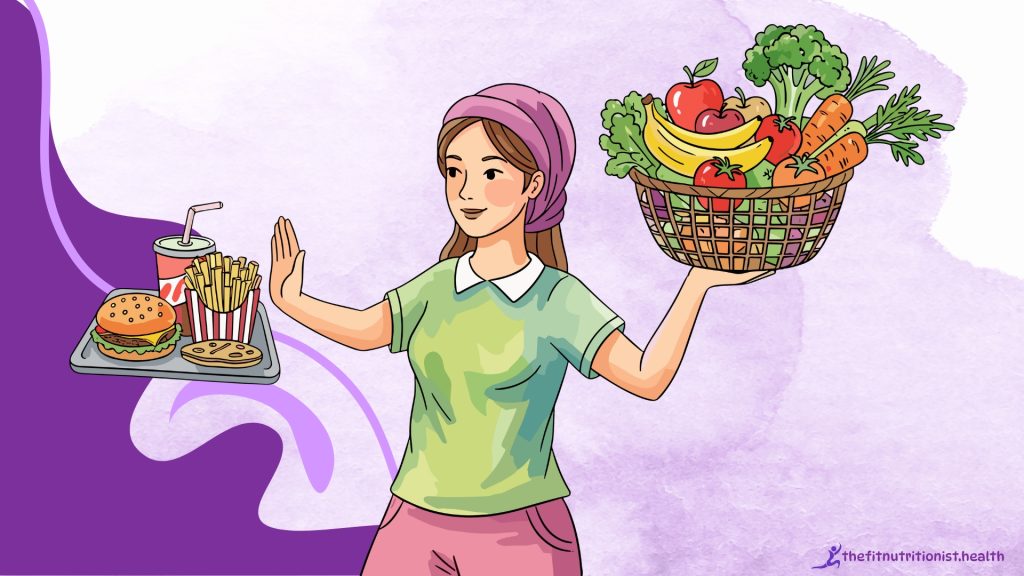
Processed foods and added sugars are the sworn enemies of any healthy diet for losing weight after pregnancy. They pack excessive calories without delivering the nutrients your recovering body desperately needs. Worse yet, they trigger blood sugar spikes followed by crashes that intensify cravings and hunger. Eliminating these foods creates room for nutrient-dense options that actually nourish you and your baby.
The American Heart Association recommends 25 grams of sugar for women. Added sugars hide in obvious places like cookies and candy. However, they also lurk in seemingly healthy foods like yogurt, granola bars, and salad dressings.
Common Added Sugar Aliases to Spot on Labels:
- High fructose corn syrup
- Cane sugar, cane juice, or evaporated cane juice
- Dextrose, maltose, sucrose (anything ending in “-ose”)
- Brown rice syrup or corn syrup
- Honey, agave nectar, maple syrup (yes, even “natural” sugars count)
- Fruit juice concentrate
- Molasses
Processed Foods vs. Whole Foods Comparison:
| Food Type | Processed Version | Whole Food Alternative | Calorie Difference |
| Snacks | Chips (150 cal, 10g fat) | Air-popped popcorn (30 cal, <1g fat per cup) | 120 calories saved |
| Breakfast | Pastry (300 cal, 15g sugar) | Oatmeal with berries (180 cal, natural sugars) | 120 calories saved |
| Lunch | Fast food burger (700 cal) | Grilled chicken salad (350 cal) | 350 calories saved |
| Drinks | Soda (140 cal, 39g sugar) | Sparkling water with lemon (0 cal) | 140 calories saved |
| Dessert | Ice cream (270 cal per cup) | Greek yogurt with fruit (150 cal) | 120 calories saved |
Foods to Minimize in Your Healthy Diet to Lose Weight After Pregnancy:
Packaged Snacks:
- Cookies and crackers made with refined flour
- Candy bars and gummy candies
- Potato chips and cheese puffs
- Pre-packaged cakes and pastries
- Granola bars with added sugars
Fast Food Culprits:
- Burgers and fries
- Fried chicken
- Pizza with processed meats
- Soft drinks and milkshakes
- Breakfast sandwiches on white bread
Sneaky Sugar Sources:
- Flavored yogurts (can contain 20+ grams of sugar)
- Bottled smoothies (often 40+ grams of sugar)
- Breakfast cereals labeled “healthy.”
- Store-bought sauces (ketchup, BBQ, teriyaki)
- Flavored coffee drinks
Healthy Alternatives That Satisfy Cravings:
Instead of reaching for processed options when cravings strike, try these nutrient-rich alternatives:
Sweet Tooth Solutions:
- Fresh berries with whipped cream (½ cup berries + 2 tbsp cream = 80 calories)
- Apple slices with almond butter (1 apple + 1 tbsp butter = 160 calories)
- Dark chocolate (70%+ cocoa, 1 oz = 170 calories, rich in antioxidants)
- Frozen banana “nice cream” (blend frozen bananas until creamy)
- Dates stuffed with nuts (natural sweetness plus healthy fats)
Salty Craving Fixes:
- Roasted chickpeas (seasoned with paprika and sea salt)
- Veggie sticks with hummus (high protein, filling)
- Air-popped popcorn with nutritional yeast
- Cucumber slices with everything bagel seasoning
- Edamame lightly salted
Why This Matters for Weight Loss: Every time you choose whole foods over processed alternatives, you’re choosing foods that:
- Keep you fuller longer due to fiber and protein
- Stabilize blood sugar instead of spiking it
- Provide vitamins and minerals for recovery
- Reduce inflammation that can stall weight loss
- Support healthy gut bacteria linked to weight management
A registered dietitian can help you identify hidden sugars in your current diet. They can also develop a sustainable, healthy diet to lose weight after pregnancy that still includes occasional treats. The goal isn’t perfection, it’s progress.
The 80/20 Rule for Long-Term Success: Eat whole, unprocessed foods 80% of the time. Allow yourself treats 20% of the time. This balanced approach prevents feelings of deprivation that often lead to binge eating. One cookie won’t derail your progress, but a daily cookie habit might.
Label Reading Made Simple:
- Check ingredients list first: If sugar appears in the top 3 ingredients, skip it
- Scan for fiber: Choose products with at least 3g fiber per serving
- Examine serving sizes: Many packages contain 2-3 servings disguised as single portions
- Compare similar products: Generic brands often have fewer additives than name brands
- Choose items with fewer than 5 ingredients when possible
Pro Tips for a Healthy Diet to Lose Weight After Pregnancy
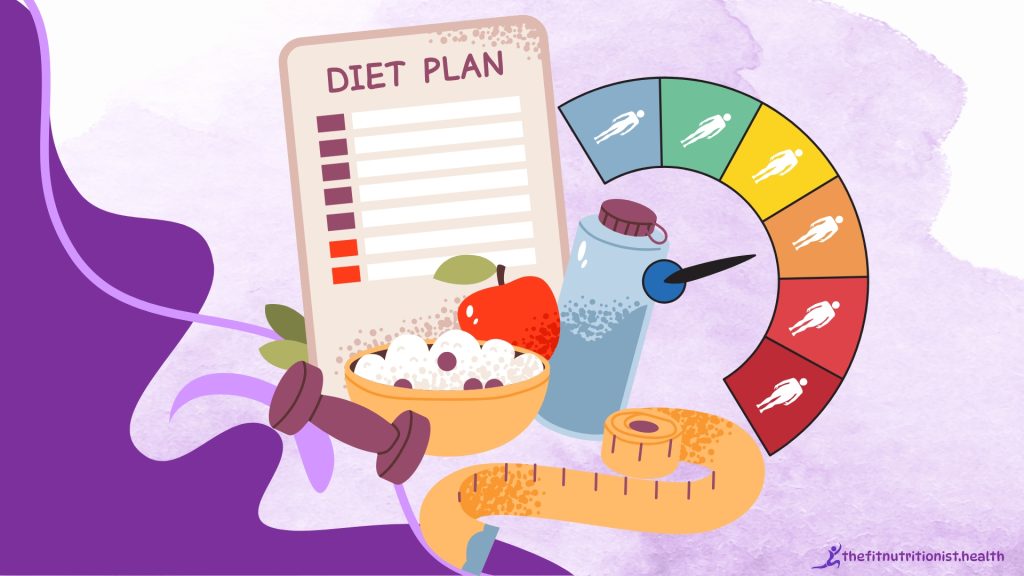
Meal Prep for Success
- Preparation prevents poor choices when hunger strikes. Dedicate a few hours weekly to batch cooking and meal prep; your future self will thank you.
- Cook large batches of lean proteins like grilled chicken, baked fish, or roasted turkey. Portion and refrigerate for easy additions to salads, grain bowls, or wraps. Chop vegetables in advance and store them in containers for quick snacking or cooking.
- Prepare overnight oats, hard-boiled eggs, or healthy muffins for grab-and-go breakfasts. When you’re exhausted at 6 AM with a crying baby, having nutritious options ready makes all the difference.
- Consider meal kit delivery services if your budget allows. These eliminate planning and shopping while providing properly portioned, healthy ingredients. Many new mothers find this investment worthwhile during the demanding early months.
- Stock your freezer with homemade soups, stews, and casseroles. Label containers with contents and dates. Having healthy meals requiring only reheating prevents relying on takeout when you’re too tired to cook.
Practice Mindful Eating Habits
- Slow down and pay attention while eating. Taking time helps you recognize fullness signals before overeating. Put your phone away, turn off the TV, and focus on your meal.
- Chew thoroughly and savor each bite. This aids digestion and allows time for satiety hormones to reach your brain. It takes about 20 minutes to register fullness.
- Serve meals on smaller plates. This visual trick makes portions appear larger, satisfying your brain while reducing actual intake. Use bowls for foods you’d typically pile on plates.
- Avoid finishing your child’s leftovers. Those extra bites add up quickly. Either save them for later or discard them.
- Listen to your body’s hunger and fullness cues. Eat when hungry, stop when satisfied (not stuffed). This intuitive approach prevents both under-eating and overeating.
Get Moving Safely and Gradually
- Wait for your doctor’s clearance before starting formal exercise programs. This typically occurs at the six-week postpartum checkup, though timing varies based on delivery type and complications.
- Start with gentle activities. Walking provides excellent low-impact exercise, safe for most new mothers within days of delivery. Begin with short 10-minute walks, gradually increasing duration and intensity.
- Incorporate baby into your routine. Use a stroller for walks or wear the baby in a carrier while doing light housework. This bonds with the baby while burning calories.
- Focus on rebuilding core and pelvic floor strength before high-intensity exercise. These muscles stretched significantly during pregnancy. Kegel exercises, modified planks, and pelvic tilts restore strength safely.
- Aim for 150 minutes of moderate-intensity exercise weekly once cleared. Break this into manageable chunks. Three 10-minute sessions daily works as effectively as one 30-minute session. Every bit counts!
Manage Stress and Prioritize Sleep
- Chronic stress and sleep deprivation sabotage weight loss efforts by elevating cortisol. Disrupting hunger hormones and depleting willpower.
- Accept help from family and friends. Let them hold the baby while you nap, bring healthy meals, or help with household tasks. You don’t need to be superwoman.
- Practice stress-reduction techniques like deep breathing, meditation, or gentle yoga. Even five minutes daily makes a difference.
- Sleep whenever possible. Follow the advice to “sleep when baby sleeps,” even if that means napping during the day. Quality sleep supports hormone balance, metabolism, and emotional well-being.
- Join a postpartum support group, either in-person or online. Connecting with other new mothers normalizes struggles and encourages you. You’ll discover you’re not alone in this journey.
Track Progress Beyond the Scale
- Numbers on the scale don’t tell the whole story. Multiple factors affect weight, water retention, hormonal fluctuations, and even the time of day you weigh yourself.
- Take body measurements monthly. Measure chest, waist, hips, and thighs. You might lose inches even when your weight plateaus, especially if you’re building muscle through exercise.
- Notice how clothes fit. Is that favorite pair of jeans becoming comfortable again? That’s real progress, regardless of scale numbers.
- Pay attention to non-scale victories. Increased energy, better sleep quality, improved mood, and enhanced stamina all indicate positive changes. These improvements matter more than any number.
- Take progress photos monthly from the same angle and lighting. Visual changes become apparent over time, even when daily mirror checks seem discouraging.
Take Our Health Quiz

Feeling overwhelmed by conflicting health advice? You’re not alone. Here’s something fun that actually helps: our comprehensive Health Quiz!
This isn’t your typical boring assessment. Think of it as a conversation with a knowledgeable friend who truly cares about your well-being. Answer questions about your lifestyle, habits, and goals in just 5 minutes. No judgment, no pressure, just useful insights.
Why bother? Here’s what you’ll gain:
- Personalized insights into your current health status
- Actionable recommendations tailored to your unique situation
- Clarity on which wellness areas need attention first
- Motivation from seeing exactly where you stand
The best part? Whether you’re a busy mom, career-focused professional, or somewhere in between, this quiz meets you where you are.
Ready to discover what your body really needs? Take our Health Quiz now
Your Journey Starts Today, and We’re Here to Support You
Motherhood transforms everything. Your body created and delivered new life, an absolute miracle. Now it deserves your compassion, patience, and nourishment as it heals and adjusts. Losing weight after pregnancy through a healthy diet to lose weight after pregnancy isn’t about perfection. It’s about progress, consistency, and self-compassion. Some days you’ll crush your goals. Other days, you’ll survive on whatever food you can grab between diaper changes. Both are okay.
Remember this: you grew a human being over nine months. Expecting your body to “bounce back” in weeks sets unrealistic expectations. Give yourself grace. Celebrate small victories. Trust the process. Visit Thefitnutritionist today to get a personalized nutrition plan designed just for you. Your health matters. Your goals matter. You matter. Let us help you achieve sustainable weight loss while feeling energized, supported, and confident in your postpartum body.
FAQs
How can I speed up my weight loss after having a baby?
Focus on consistency over speed. Combining a balanced, healthy diet to lose weight after pregnancy with regular physical activity produces the best results. Breastfeeding naturally burns 500-700 extra calories daily, supporting gradual weight loss. Stay hydrated, prioritize sleep when possible, and avoid extreme calorie restriction. Remember, sustainable weight loss typically occurs at 1-2 pounds weekly.
How can I make my tummy flat after delivery?
Patience is key here. Your abdominal muscles stretched significantly during pregnancy and need time to recover. Start with deep breathing exercises and pelvic floor exercises (Kegels) after getting medical clearance. Progress to gentle core exercises like modified planks and bird dogs. Combine core strengthening with overall fat loss. You can do this through a healthy diet to lose weight after pregnancy and cardio for the best results. Realistic expectations matter; some body changes may be permanent.
What causes rapid weight gain after pregnancy?
Several factors contribute to postpartum weight retention. Hormonal fluctuations, particularly elevated estrogen and cortisol from sleep deprivation, promote fat storage. Stress eating, lack of physical activity, and consuming excess calories while adjusting to new routines all play roles. Some medications, thyroid issues, or postpartum depression can also affect weight. If you’re gaining weight despite healthy habits, consult your healthcare provider to rule out underlying medical conditions.
Why is it so hard to lose weight after pregnancy?
Your body underwent major physiological changes during pregnancy. Hormones like estrogen promoted fat storage to support your baby’s development. After birth, hormonal rebalancing takes time, sometimes up to a year. Sleep deprivation elevates cortisol, a stress hormone that encourages fat retention, especially around the midsection. Limited time for meal prep and exercise, combined with the physical demands of caring for a newborn, creates additional challenges. Be kind to yourself; these obstacles are temporary.
What vitamins can help with weight loss?
No vitamin directly causes weight loss, but certain nutrients support metabolism and energy production. Vitamin D deficiency is linked to difficulty losing weight. Get levels checked if concerned. B-complex vitamins support energy metabolism. Iron prevents fatigue that could limit activity. Omega-3 fatty acids from fish oil may help reduce inflammation. Always consult your healthcare provider before adding supplements.
Why am I putting on weight when not eating much?
Several explanations exist. You might underestimate portion sizes; tracking intake accurately often reveals surprises. Hormonal imbalances, particularly thyroid dysfunction, can slow metabolism. Sleep deprivation disrupts hormones controlling hunger and fullness. High stress elevates cortisol, promoting fat storage. Certain medications affect weight. Severely restricting calories can actually slow metabolism as your body enters “starvation mode.” See your doctor for a thorough evaluation if this continues.
What is the hardest age to lose weight?
Postpartum weight loss challenges exist at any age. However, women over 35 often find it more difficult due to naturally declining metabolism and muscle mass. However, hormonal factors after pregnancy affect all ages similarly. The key is adjusting expectations and strategies accordingly. Regardless of age, following evidence-based nutrition and exercise principles works. Consistency and patience matter more than age. Don’t let age become an excuse; focus on what you can control.
What are the best drinks for weight loss?
Water tops the list. It’s calorie-free, essential for metabolism, and helps control hunger. Green tea contains compounds that may slightly boost metabolism and fat burning. Drink it plain or with lemon, avoiding added sugar or honey. Black coffee (in moderation, under 300mg caffeine daily while breastfeeding) can increase energy and metabolism. Herbal teas like chamomile or peppermint provide hydration without calories. Avoid fruit juices, sodas, and specialty coffee drinks loaded with sugar and calories.
What vitamins are good for losing belly fat?
No vitamin specifically targets belly fat. Spot reduction is a myth. The best approach? Eat a varied diet rich in fruits, vegetables, whole grains, and lean proteins to naturally obtain these vitamins. Focus on overall fat loss through a healthy diet to lose weight after pregnancy, along with exercise. As total body fat decreases, belly fat reduces too.
What foods should I avoid before bed for weight loss?
Skip anything high in sugar, refined carbs, or heavy fats within 2-3 hours of bedtime. These can disrupt sleep and promote fat storage. Avoid large meals that make you uncomfortable while lying down. Skip caffeinated beverages that interfere with sleep. Poor sleep elevates cortisol and increases next-day hunger. Heavy, spicy foods may cause heartburn. If genuinely hungry before bed, choose a light option like a small glass of milk. A handful of nuts or a piece of fruit are also great options.