

Get Started
Evidence based nutrition matters more now than at any point in modern health history. People are no longer just asking what to eat; they are asking who to trust. If nutrition advice feels more contradictory than ever, you are not imagining it. One day, fat is the enemy, and the next day, sugar is absolved. Suddenly, a viral video claims a single food will “heal everything.” Most people are not looking for perfection. They want clarity that fits real life, culture, budgets, and busy schedules. They want to feel confident feeding their families and fueling their bodies without fear. As a fitness and nutrition professional working with people and clinicians, I share insights that actually help people feel better.
Key Statistics:
- WHO evidence-based nutrition targets aim for a 40% reduction in the number of stunted children under 5 by 2025. Addressing 149 million cases linked to poor diets. who
- Randomized trials support that science-driven interventions prevent 22 million stunting cases globally through targeted fortification. globalnutritionreport+1
- WHO’s 2025 goals target a 50% reduction in anemia among women of reproductive age. Currently affecting 500 million, via iron-rich evidence protocols .who
- Global Nutrition Report data indicate that only 3% of countries meet the 2025 exclusive breastfeeding targets. globalnutritionreport
- WHO projects 1.2 billion obese adults by 2025 without data-validated dietary shifts. who+1
- Evidence strategies address shortfalls in 88% of countries for wasting targets. globalnutritionreport
What Are the 7 Clear Evidence Based Nutrition Facts?
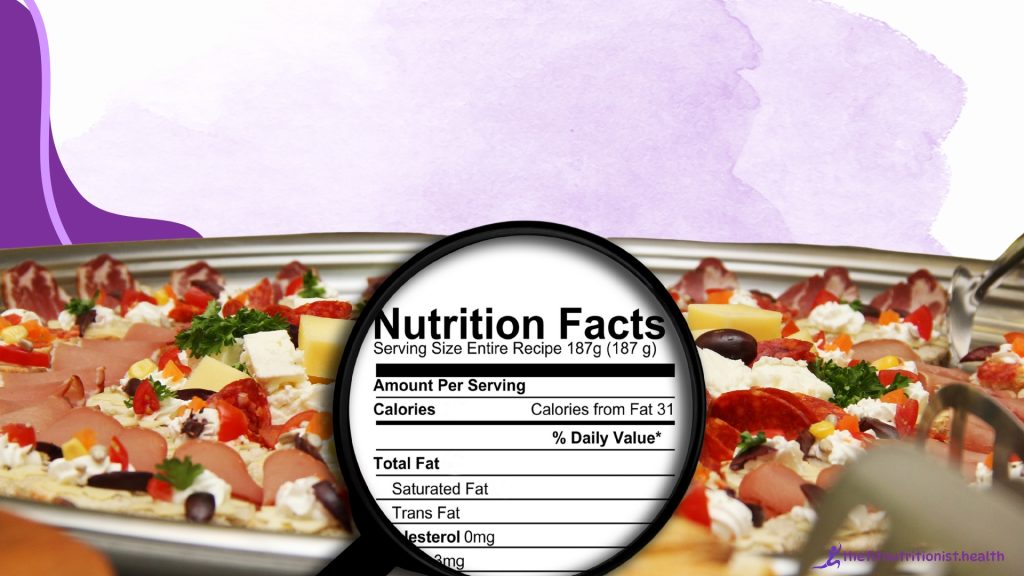
These nutrition facts work together to support daily function and long-term health. They influence energy, immunity, hormones, and tissue repair. Research shows they apply across cultures, ages, and activity levels. Each fact answers a basic question your body asks every day. Evidence based nutrition filters decades of research into reliable guidance you can trust. A qualified health coach provides personalized support to accelerate your progress when applying these principles in real life.
1) Dietary variety protects nutrient adequacy
Eating a wide range of foods increases micronutrient coverage naturally. No single food contains all essential vitamins and minerals. Variety also reduces the risk of long-term dietary gaps.
Most public health guidelines emphasize diversity for this reason. Evidence based nutrition reduces confusion by prioritizing consistent findings over trends.
- Different foods supply different vitamins, minerals, and phytochemicals.
- Rotating proteins supports amino acid balance.
- Seasonal foods improve nutrient density and enjoyment.
- Cultural variety increases adherence and satisfaction.
A health coach helps translate variety into simple, repeatable meals that fit your lifestyle.
2) Fruits and vegetables drive disease prevention
Fruits and vegetables deliver protective compounds beyond basic nutrition. Large cohort studies link higher intake to lower chronic disease risk. Color variety reflects different protective phytochemicals. Fiber and potassium play key supporting roles. Evidence based nutrition supports better decisions by aligning habits with human biology. A health and nutrition coach helps you increase intake without forcing drastic diet changes. Unlock insights from featured success stories.
- Leafy greens support vascular and cognitive health.
- Orange and red produce provide carotenoids for cellular protection.
- Berries supply polyphenols linked to reduced inflammation.
- Cruciferous vegetables support detoxification pathways.
3) Fiber feeds the gut microbiome
Evidence based nutrition helps you focus on what matters most, not what is loudest online. Fiber nourishes beneficial gut bacteria. These bacteria produce short-chain fatty acids during fermentation. These compounds support insulin sensitivity and immune balance. Most adults fall far below recommended fiber intake.
| Fiber type | Primary benefit | Food examples |
| Soluble fiber | Blood sugar control | Oats, beans, apples |
| Insoluble fiber | Digestive regularity | Whole grains, vegetables |
| Fermentable fiber | Gut health | Legumes, onions, bananas |
4) Healthy fats support cells and hormones
Fats are essential for cell structure and signaling. They support hormone production and nutrient absorption. Quality matters more than total fat intake. Replacing harmful fats improves metabolic markers. A health coach helps identify smart fat swaps without sacrificing taste.
- Unsaturated fats support heart and metabolic health.
- Omega-3 fats aid brain and anti-inflammatory pathways.
- Trans fats disrupt lipid metabolism and raise disease risk.
- Fat-soluble vitamins require dietary fat for absorption.
5) Protein preserves lean mass
Protein supports tissue repair and immune function. It also increases satiety and supports metabolic rate. Distribution across meals improves utilization. Needs increase with age and physical activity.
- Spread protein intake across meals for better synthesis.
- Combine plant and animal sources for balance.
- Adequate protein reduces muscle loss during aging.
- Protein supports recovery from illness and training.
Get over 50 meal recipes from Thefitnutritionist’s recipe e-book!
6) Excess sugar and salt raise risks
High sugar intake displaces nutrient-dense foods. Excess sodium raises blood pressure in many adults. Both increase long-term disease risk when overconsumed. Moderation supports cardiovascular health. Evidence based nutrition supports decisions rooted in physiology, not hype.
- Limit free sugars, not whole fruit sugars.
- Watch for hidden sodium in packaged foods.
- Cooking at home improves intake control.
- Taste preferences adapt over time.
A health coach helps identify hidden sources without creating restriction anxiety.
7) Alcohol is not a nutrient
Alcohol provides calories without essential nutrients. The body prioritizes alcohol metabolism over fat oxidation. Risk increases with dose and frequency. Less is consistently associated with better health outcomes. Evidence based nutrition empowers long-term consistency over short-term fixes.
- Alcohol disrupts sleep quality.
- It impairs nutrient absorption.
- It increases certain cancer risks.
- Social habits often drive intake more than need.
A nutritionist supports realistic strategies for reducing intake without isolation.
Pop Quiz: Curious About Your Health?

Ever wonder how everyday choices add up? You are not alone. Most people want clarity without judgment. That is where a quick check-in helps. Our general Health Quiz is light, useful, and pressure-free. It takes minutes. It highlights strengths and blind spots. It does not diagnose.
Why take it?
- Spot patterns you may miss.
- Learn where to focus first.
- Get plain‑language insights.
- Build momentum without overwhelm.
Think of it as a friendly mirror. Answer honestly. Keep what helps. Skip what does not. Ready to try it? Visit Thefitnutritionist Health Quiz and explore supportive resources.
How Do Evidence Based Nutrition Facts Affect Metabolism
Metabolism determines how efficiently your body converts food into energy and structure. Nutrition facts directly influence hormones, enzymes, and microbial activity. They also affect hunger signals, energy expenditure, and fat storage. Evidence based nutrition explains metabolism through physiology, not weight-loss myths. Thefitnutritonist provides customized support to accelerate your progress when metabolic needs vary by age, stress, or activity.
Want more energy? Check out these tips from a fit nutritionist.
Protein increases thermogenesis
Protein digestion requires more energy than fats or carbohydrates. This process increases diet-induced thermogenesis after meals. Higher protein intake also supports lean muscle retention.
Muscle tissue increases resting metabolic rate over time. Evidence based nutrition improves metabolic efficiency by aligning intake with biological demand.
- Protein has the highest thermic effect of food.
- Muscle preservation supports long-term energy expenditure.
- Even distribution improves protein utilization.
- Adequate intake reduces metabolic slowdown during weight change.
Micronutrients enable enzymes
Metabolism relies on enzyme-driven reactions. Vitamins and minerals act as enzyme cofactors.
Deficiencies slow metabolic pathways. Dietary variety prevents these bottlenecks. Evidence based nutrition replaces guesswork with measurable biological responses.
- B vitamins support energy metabolism.
- Magnesium supports glucose regulation.
- Iron enables oxygen transport.
- Zinc supports hormone production.
Alcohol disrupts metabolic priorities
The body treats alcohol as a toxin. Alcohol oxidation takes priority over fat metabolism.
Fat oxidation temporarily stops. Repeated exposure increases fat storage risk. Evidence based nutrition protects metabolism by respecting how the body truly processes food.
- Alcohol calories lack nutritional value.
- Liver metabolism becomes overburdened.
- Appetite regulation becomes impaired.
- Sleep disruption further affects metabolism.
Which Evidence Based Nutrition Facts Support Long-Term Health?

Long-term health depends on patterns repeated over years, not quick fixes. Nutrition facts that protect metabolism also protect organs and cognition. Aging outcomes reflect consistency more than perfection. Evidence based nutrition supports long-term health by prioritizing patterns proven across decades.
Plant forward patterns reduce NCD risk
Plant-forward eating emphasizes fruits, vegetables, legumes, and whole grains. Large cohort studies link these patterns to fewer cardiovascular events. Benefits accumulate slowly but consistently over time. Cultural flexibility improves long-term adherence. Evidence based nutrition reduces chronic disease risk through steady, realistic habits.
- Higher fiber intake supports vascular health.
- Phytochemicals reduce oxidative stress.
- Plant proteins support metabolic balance.
- Reduced reliance on ultra-processed foods lowers risk.
A skilled nutritionist adapts plant-forward patterns to cultural and personal preferences.
Fiber lowers inflammation markers
Chronic inflammation accelerates aging and disease risk. Higher fiber intake is associated with lower C-reactive protein levels. Gut-derived metabolites support immune regulation. Consistency drives these protective effects.
Healthy fats support brain aging
The brain relies heavily on dietary fats. Omega-rich patterns associate with cognitive maintenance. Replacing harmful fats protects blood vessels. Balance remains essential for long-term benefit. Evidence based nutrition empowers healthier aging through consistency and trust.
- Omega-3 fats support neuronal membranes.
- Monounsaturated fats support cerebral blood flow.
- Trans fats accelerate vascular damage.
- Fat quality matters more than total intake.
Adequate protein preserves function
Lean muscle predicts independence with aging. Protein supports strength, balance, and recovery.
Even distribution improves muscle protein synthesis. Needs rise with age due to anabolic resistance.
- Spread protein across meals.
- Include high-quality sources.
- Combine resistance activity with intake.
- Monitor intake during illness or stress.
A health coach personalizes protein strategies to preserve mobility and confidence.
Lower alcohol consumption lowers cancer risk
Alcohol intake shows a dose-dependent cancer risk. Several cancers demonstrate linear associations. Lower intake consistently reduces risk. Avoidance provides the greatest protection.
- Alcohol increases oxidative stress.
- It disrupts DNA repair mechanisms.
- Hormonal pathways become altered.
- Risk compounds over time.
A health coach supports behavior change without shame or isolation.
Pro Tips
- Shop the perimeter first: Find most whole foods along store edges. Fewer labels make healthier choices easier.
- Build meals around fiber: Focus on legumes, whole grains, and colorful produce. Fiber supports digestion and fullness.
- Prioritize fat swaps: Use plant oils and fish instead of trans fats. Small swaps add up to big health benefits.
- Distribute protein evenly: Include protein at every meal to support muscle and satiety.
- Treat alcohol as optional: Enjoy social moments without drinking. Health improves when alcohol is limited.
Evidence based nutrition that lasts
Lasting health favors facts you can repeat. Evidence-based nutrition works because it respects biology and behavior. It avoids extremes. It adapts to culture and preference. If you want a plan shaped to you, visit Thefitnutritionist. We offer personalized guidance grounded in evidence-based nutrition, built for your life. Let’s make clarity your advantage. If you are ready to move from information to action, start by getting a custom health plan now!
FAQs

What is the meaning of evidence based nutrition?
It means recommendations grounded in the best available research. Systematic reviews weigh quality and consistency. Clinical judgment and patient values complete decisions. This approach filters out weak or biased studies. It prioritizes results replicated across populations. It adapts as stronger data emerges.
What are the 5 A’s of evidence based practice?
Ask, Acquire, Appraise, Apply, and Assess. The cycle keeps guidance current. It protects against bias. Each step builds on the previous one. Asking clarifies the real problem. Appraising checks study quality and relevance. Assessing outcomes ensures recommendations actually help.
Why is evidence based nutrition important?
It reduces harm from fads. It improves trust and outcomes. It adapts as science evolves. People avoid extreme or unsafe practices. Clinicians and coaches stay accountable to data. Recommendations become consistent across settings. This builds long-term confidence in nutrition guidance.
What is one example of an evidence-based nutrition principle recommendation?
Eat a variety of whole foods daily. This improves adequacy and adherence. It lowers chronic disease risk. Research supports this across cultures. Variety covers nutrient gaps naturally. It reduces reliance on supplements. It also improves enjoyment and sustainability.
What is a good source of evidence-based nutrition advice?
Registered dietitians and major health agencies. Look for .gov and .edu sites. Avoid sales-driven sources. These organizations follow strict review standards. Their guidance reflects population-level data. Conflicts of interest are disclosed. Updates occur as new evidence appears.
What are the three types of evidence-based practice?
Best research evidence, clinical expertise, and patient values. All 3 matter. None alone is sufficient. Research provides direction. Expertise applies it safely. Patient values ensure relevance and adherence. Together, they produce effective care.
What are the 7 steps of evidence-based practice?
Identify the problem, ask, search, appraise, apply, evaluate, and share. It is iterative. It improves care. Each cycle refines decisions. Feedback strengthens future recommendations. Sharing results improves broader practice. This process supports continuous improvement.
What are the 5 nutritional guidelines?
Variety, adequacy, moderation, balance, and safety. These themes recur globally. They scale across cultures. They apply to all ages. Guidelines remain flexible, not rigid. They emphasize patterns, not perfection.
What is the five-finger rule of nutrition?
A simple mnemonic for portions and balance. It aids recall. It is not a substitute for personalization. It helps with quick decisions. It works well for beginners. Individual needs still vary. Professional guidance refines it further.
Which food has all 13 vitamins?
No single food contains all vitamins. Diets achieve completeness through variety. Supplements target gaps. Whole foods work together synergistically. Different foods supply different micronutrients. Balanced diets reduce deficiency risk. This reinforces the value of dietary diversity.