
Get Started
Picture this: It’s 2 AM, and you’re exhausted from the third feeding of the night. Suddenly, you catch your reflection in the nursery mirror. The body staring back doesn’t feel like yours anymore. If you’re nodding along, you’re not alone. Over 75% of new mothers struggle with weight that lingers months after delivery. The most effective post pregnancy weight loss tips aren’t found in celebrity magazines or detox teas. They’re rooted in understanding your body’s unique postpartum physiology, hormonal shifts, and nutritional demands.
What worked before pregnancy won’t necessarily work now, because your body has fundamentally changed. The stress hormone cortisol spikes from sleep deprivation, and prolactin affects fat storage patterns. Also, your metabolism recalibrates to support milk production. These biological realities require strategies specifically designed for the postpartum period. Not generic diet advice that could sabotage your recovery or milk supply. An experienced nutritionist and health coach will use patience, proper nutrition, and evidence-based movement to help you reclaim your vitality.
Key Statistics and Facts:
- Postpartum women in a cohort study lost an average of 3.94 kg by week 16. And 4.08 kg by week 24 compared to baseline. liebertpub
- Approximately 75% of women were heavier 1 year postpartum than pre-pregnancy, with 47.4% retaining over 10 lbs. pmc.ncbi.nlm.nih
- At 1 year postpartum, 41.3% of women were obese, up from 29.8% pre-pregnancy. pmc.ncbi.nlm.nih
- Intervention group women lost 2.6 kg (95% CI -4.4 to -0.8) at 6 months postpartum versus the control group gain of 1.4 kg. stacks.cdc
- By 12 months postpartum, the intervention group lost 2.8 kg from baseline while the control group gained 0.5 kg. stacks.cdc
- Nearly half of pregnant women exceed the recommended weight gain, mostly with preconception obesity.cdc
What Are the 7 Natural Post Pregnancy Weight Loss Tips & Strategies?

These seven evidence-based post pregnancy weight loss tips address your body’s unique postpartum needs without compromising recovery. Each strategy works synergistically to support sustainable fat loss while nourishing your healing body. You’ll learn how to balance nutrition, movement, rest, and hormonal health for optimal results. These methods respect your body’s timeline while delivering measurable progress you can track.
Strategy 1: Prioritize Nutrient-Dense Foods Over Calorie Restriction
Depending on breastfeeding status and activity level, your postpartum body requires approximately 2,000-2,800 calories daily. Drastically cutting calories below 1,800 daily can trigger metabolic slowdown. Reducing milk supply and depleting essential nutrient stores needed for tissue repair. These effective post pregnancy weight loss tips emphasize nutrient density. This involves getting maximum vitamins, minerals, and antioxidants per calorie consumed rather than simply eating less.
Research shows that women who focus on whole food quality lose weight more sustainably. Your body is healing from pregnancy and childbirth while potentially producing breast milk. Both processes demand significant nutritional resources. Choosing nutrient-dense foods ensures you’re providing your body with the building blocks it needs for recovery. While creating a modest calorie deficit that supports gradual fat loss. A registered nutritionist can help you calculate your personalized calorie needs based on your unique circumstances. Preventing the common pitfall of under-eating that sabotages long-term success.
Essential Nutrients Your Postpartum Body Craves:
Your nutritional needs shift dramatically after delivery. Focus on incorporating these key nutrients:
- Protein (71+ grams daily): Supports tissue repair, maintains muscle mass during weight loss, and keeps you satiated longer. Choose lean chicken, fish, eggs, Greek yogurt, legumes, and tofu.
- Iron (27-9 mg daily): Replenishes stores depleted during pregnancy and delivery. Include lean red meat, fortified cereals, spinach, and lentils with vitamin C sources for better absorption.
- Calcium (1,000 mg daily): Critical for bone health and milk production. Consume low-fat dairy, fortified plant milks, sardines with bones, and leafy greens.
- Omega-3 Fatty Acids (200-300 mg DHA daily): Reduces inflammation, supports brain health, and may improve postpartum mood. Eat fatty fish like salmon and sardines twice weekly.
- Folate (500 mcg daily): Continues supporting cellular repair and energy production. Find it in dark leafy greens, fortified grains, citrus fruits, and beans.
- Vitamin D (15 mcg/600 IU daily): Regulates calcium absorption, supports immune function, and influences mood. Get it from fortified dairy, egg yolks, fatty fish, and safe sun exposure.
Building Your Perfect Postpartum Plate:
Creating balanced meals becomes intuitive when you follow the “plate method,” specifically designed for these post pregnancy weight loss tips:
| Plate Component | Portion Size | Example Foods | Primary Benefits |
| Vegetables | 50% of a plate (2-3 cups) | Broccoli, carrots, peppers, leafy greens, tomatoes | High fiber, vitamins, minerals; low calorie density |
| Lean Protein | 25% of a plate (palm-sized, 3-4 oz) | Grilled chicken, baked fish, beans, lentils, tofu | Muscle preservation, satiety, metabolism support |
| Complex Carbs | Hormone production, nutrient absorption, and satiety | Brown rice, quinoa, sweet potato, whole wheat pasta | Sustained energy, fiber, B vitamins |
| Healthy Fats | 1-2 tablespoons | Avocado, nuts, seeds, olive oil | Hormone production, nutrient absorption, satiety |
This visual approach eliminates complicated calorie counting while naturally creating appropriate portions. The high vegetable volume fills you up on fewer calories while delivering essential micronutrients your recovering body desperately needs.
Foods to Embrace vs. Foods to Minimize
| Foods That Support Weight Loss | Foods That Hinder Progress |
| Whole fruits (apples, berries, oranges) | Fruit juices and sweetened smoothies |
| Vegetables (especially non-starchy) | French fries and fried vegetables |
| Whole grains (quinoa, brown rice, oats) | White bread, pastries, refined cereals |
| Lean proteins (chicken breast, fish, legumes) | Processed meats (hot dogs, deli meats) |
| Healthy fats (avocado, nuts, olive oil) | Trans fats (fried foods, margarine) |
| Greek yogurt, cottage cheese | Ice cream, sweetened yogurts |
| Water, herbal tea, black coffee | Soda, energy drinks, sweetened coffee |
| Homemade meals with whole ingredients | Fast food, frozen dinners, packaged snacks |
These nutritional post pregnancy weight loss tips work because they naturally reduce calorie intake while maximizing nutritional value. You’ll feel fuller longer, experience fewer cravings, and provide your body with the nutrients it needs.
Strategy 2: Embrace Gradual Exercise After Medical Clearance
Most healthcare providers clear women for light activity within days of vaginal delivery and 6-12 weeks post-cesarean. Jumping back into intense workouts prematurely risks injury, worsens diastasis recti, and can cause pelvic floor dysfunction. These strategic post pregnancy weight loss tips emphasize progressive movement that rebuilds strength without overwhelming your healing body. Always obtain explicit medical clearance before resuming structured exercise programs.
Your body underwent profound changes during pregnancy. Abdominal muscles stretched and separated, pelvic floor muscles weakened, joints loosened from the relaxin hormone, and cardiovascular fitness declined. Respecting this recovery process while gradually reintroducing movement creates the foundation for sustainable weight loss. Starting too aggressively often leads to setbacks that delay progress by weeks or months.
Research demonstrates that women who follow graduated exercise protocols lose more weight over 12 months. Especially when compared to those who restart intense training immediately. A certified postpartum fitness coach can assess your specific recovery status and design a safe progression plan. A plan that is tailored to your delivery type and current fitness level. See how others succeeded by exploring our real client success stories.
Week-by-Week Postpartum Exercise Progression
| Timeline | Safe Activities | What to Avoid | Weekly Duration Goal |
| Days 1-7 | Gentle walking (5-10 min), pelvic floor awareness | Running, jumping, heavy lifting, crunches | 15-30 minutes total |
| Weeks 2-6 | Walking (15-30 min), gentle stretching, deep breathing | High-impact cardio, planks, bicycle crunches | 60-90 minutes total |
| Weeks 6-12 | Brisk walking, swimming, modified Pilates, light weights | Running, HIIT, heavy weights, intense ab work | 150 minutes moderate |
| Week 12+ | Jogging, cycling, strength training, group fitness | Excessive jumping until the pelvic floor is cleared | 150-300 minutes varied |
The Healing Power of Walking
Walking delivers multiple benefits that make it the cornerstone of effective post pregnancy weight loss tips. This low-impact activity burns approximately 200-300 calories per hour, depending on pace and body weight. It requires no equipment or gym membership and allows you to bring the baby along in a stroller or carrier. It also improves cardiovascular fitness without stressing healing tissues.
Start with just 10 minutes daily and increase by 5 minutes weekly until you reach 30-60 minutes per session. Walking outdoors provides additional benefits. These include: vitamin D exposure, improved mood through nature contact, and social connection if you join walking groups. Aim for a pace where you can talk but feel slightly breathless. This moderate intensity maximizes fat burning without overexertion. Consider varying your routes to maintain interest and incorporate gentle hills as your fitness improves. Additionally, use fitness trackers to monitor your steps (aim for 8,000-10,000 daily for weight loss).
Discover the top picks in our guide to the best fitness trackers for tracking workouts and health metrics!
Pushing a stroller adds resistance training for your upper body and core. It can help you burn approximately 20% more calories than walking alone. If your baby enjoys the stroller, this becomes a win-win activity. Supporting both your fitness goals and your baby’s outdoor exposure needs.
Rebuilding Your Core and Pelvic Floor Foundation
Pregnancy stretches abdominal muscles and weakens the pelvic floor. Creating the foundation for potential issues, including:
- Diastasis Recti: Separation of abdominal muscles affecting 60% of postpartum women, causing the characteristic “pooch” belly
- Pelvic Floor Dysfunction: Leading to urinary incontinence, pelvic organ prolapse, or pain during intercourse
- Lower Back Pain: From weakened core muscles failing to properly support the spine
- Poor Posture: Contributing to neck and shoulder tension from compensatory patterns
Essential core restoration exercises (perform daily):
- Deep Belly Breathing: Lie flat with hands on belly, inhale deeply through nose, allowing belly to expand. Exhale slowly through the mouth, drawing the belly button toward the spine. Complete 10 breaths, 2-3 times daily. This activates the transverse abdominis, your deepest core muscle.
- Pelvic Tilts: Lie with knees bent, feet flat, tighten abdominals, and tilt pelvis upward, flattening lower back against the floor. Hold 5 seconds, release. Repeat 15 times, working up to 3 sets.
- Kegel Exercises: Tighten pelvic floor muscles as if stopping urine flow, hold 5-10 seconds, fully relax for equal time. Perform 10-15 repetitions, 3 times daily. These strengthen muscles critical for bladder control and core stability.
- Bridges: From the same position as pelvic tilts, lift hips until the body forms a straight line from shoulders to knees. Hold 10 seconds, lower slowly. Repeat 10-15 times.
- Modified Planks: Start on hands and knees, engage core, hold position without sagging belly. Progress to forearms, then eventually full plank as strength improves. Begin with 10-second holds, increasing duration weekly.
When to Progress to Higher-Intensity Exercise
These milestone-based post pregnancy weight loss tips help you determine readiness for more challenging workouts:
✓ You can perform 20 continuous Kegels without fatigue
✓ You can walk 30 minutes without pain or heavy bleeding
✓ You can perform a 60-second plank with proper form
✓ You have no urinary leakage during daily activities
✓ Your diastasis recti measures less than 2 finger-widths
✓ You’ve received explicit medical clearance from your healthcare provider
✓ You’re consistently sleeping at least 6 hours nightly
✓ Your bleeding has completely stopped
If you meet these criteria, gradually introduce moderate-intensity activities. These include: swimming, stationary cycling, low-impact aerobics classes, resistance band training, or yoga classes labeled “postpartum safe.” Continue avoiding high-impact activities like running, jumping jacks, burpees, or heavy weightlifting. At least until 3-6 months postpartum and cleared by a pelvic floor specialist.
Sample Weekly Exercise Schedule (12+ Weeks Postpartum)
| Day | Activity | Duration | Intensity | Notes |
| Monday | Brisk walking | 30 minutes | Moderate | With a stroller outdoors |
| Tuesday | Strength training (upper body) | 20 minutes | Light-moderate | Resistance bands or 5-10 lb weights |
| Wednesday | Swimming or water aerobics | 30 minutes | Moderate | Low-impact cardio |
| Thursday | Core & pelvic floor exercises | 15 minutes | Light | At home |
| Friday | Brisk walking or light jogging | 30 minutes | Moderate | Gradually introduce jogging intervals |
| Saturday | Postpartum yoga or Pilates | 45 minutes | Light-moderate | Class or video |
| Sunday | Active rest or gentle stretching | 15-20 minutes | Light | Recovery day |
This balanced approach totals approximately 200 minutes weekly. Exceeding the minimum 150-minute recommendation while allowing adequate recovery. Adjust based on energy levels, sleep quality, and how your body responds.
Strategy 3: Optimize Sleep Despite Newborn Demands
Sleep deprivation affects approximately 76% of new mothers and directly sabotages weight loss efforts through hormonal disruption. Just one night of poor sleep elevates cortisol by 45% and increases ghrelin (hunger hormone) by 28%. It also decreases leptin (satiety hormone) by 18%. These compelling post pregnancy weight loss tips prioritize rest because your body literally cannot lose weight efficiently without adequate sleep.
Research demonstrates that women sleeping less than 5 hours nightly retain significantly more postpartum weight at 12 months. Compared to those averaging 7+ hours. Sleep deprivation also impairs decision-making. Increasing likelihood of choosing unhealthy convenience foods over nutritious options. Your body performs essential repair work during deep sleep. Tissue healing, hormone regulation, metabolism optimization, and muscle recovery all occur predominantly while sleeping.
Furthermore, exhaustion reduces motivation and physical capacity for exercise. Thus, it creates a vicious cycle where fatigue prevents the activity needed for weight loss. A health consultant specializing in postpartum families can provide personalized strategies for maximizing rest despite infant sleep patterns.
How Sleep Deprivation Undermines Your Weight Loss Goals
| Hormonal Impact | Effect on Your Body | Weight Loss Consequence |
| ↑ Cortisol (stress hormone) | Promotes fat storage, especially around the midsection | Increased belly fat despite a calorie deficit |
| ↑ Ghrelin (hunger hormone) | Stimulates appetite, particularly for high-calorie foods | Increased cravings and calorie consumption |
| ↓ Leptin (fullness hormone) | Reduces satiety signals after eating | Overeating without feeling satisfied |
| ↓ Growth Hormone | Impairs muscle maintenance and fat burning | Muscle loss instead of fat loss |
| ↓ Insulin Sensitivity | Reduces the ability to process carbohydrates efficiently | Blood sugar spikes and increased fat storage |
| ↑ Inflammatory Markers | Slows metabolic rate and recovery processes | Reduced calorie burning at rest |
Realistic Sleep Strategies for the Newborn Phase
Forget the advice to “sleep when baby sleeps.” While well-intentioned, it’s often impractical. Instead, implement these actionable strategies:
- Optimize your sleep environment by keeping your bedroom completely dark using blackout curtains or a sleep mask. Maintaining temperatures between 60-67°F for optimal sleep quality. Use white noise machines to mask household sounds, and remove electronic devices that emit sleep-disrupting blue light.
- Practice strategic napping by taking one 20–30-minute power nap mid-morning when alertness naturally dips. Taking one 60-90 minute nap early afternoon to catch some deep sleep cycles. Avoiding naps after 3 PM, which interfere with nighttime sleep, and napping even if you can’t fall asleep. Rest alone provides partial recovery benefits.
- Share nighttime duties by alternating feeding responsibilities if formula feeding or pumping. Having your partner handle diaper changes during your sleep shifts. Use weekends for catch-up sleep while your partner manages morning duties. And asking overnight guests or family members to take one feeding so you get a 4-6 hour stretch.
- Establish a relaxing bedtime routine, including dimming lights 1-2 hours before bed to trigger melatonin production. Avoiding screens 30-60 minutes before sleep (blue light suppresses melatonin). Practicing gentle stretching or prenatal yoga poses to release tension. And drinking calming herbal tea like chamomile or passionflower (safe while breastfeeding).
Managing Late-Night Hunger Without Sabotaging Progress
Nighttime eating patterns significantly impact these post pregnancy weight loss tips. Your body processes food differently at night with reduced insulin sensitivity and lower metabolism. However, hunger during night feedings is completely normal, especially when breastfeeding.
Smart nighttime snack choices (under 200 calories):
- Greek yogurt (3/4 cup) with berries and 1 tablespoon sliced almonds
- Small apple with 1 tablespoon natural almond butter
- Two rice cakes with avocado and everything bagel seasoning
- String cheese with 10-12 whole-grain crackers
- A handful of raw nuts (about 1 ounce) with dried fruit
- Hard-boiled egg with cherry tomatoes
- Cottage cheese (1/2 cup) with cucumber slices
- Small smoothie with protein powder, spinach, and frozen fruit
Avoid these sleep-disrupting foods:
✗ Sugary snacks causing blood sugar crashes
✗ Heavy meals taking 3-4 hours to digest
✗ Caffeinated beverages (obviously)
✗ High-sodium foods causing thirst and bloating
✗ Spicy foods potentially causing heartburn
✗ Large portions overwhelming your digestive system
Drink water first when you wake; sometimes thirst masquerades as hunger during nighttime wakings. If genuine hunger persists, choose protein and fiber-rich options that stabilize blood sugar.
The 30-Minute Sleep Extension Challenge
Even small amounts of sleep increase yield measurable benefits. Challenge yourself to add just 30 minutes of sleep daily using these tactics:
- Go to bed 15 minutes earlier than your current bedtime
- Wake up 15 minutes later if your schedule allows
- Eliminate one non-essential evening activity (social media scrolling, TV watching)
- Streamline your bedtime routine by preparing tomorrow’s needs tonight
- Say no to one evening commitment weekly, protecting sleep time
A health coach can help you identify time-wasting activities stealing precious sleep minutes. And develop realistic strategies for prioritizing rest within your unique family dynamics and responsibilities.
Strategy 4: Leverage Breastfeeding’s Natural Calorie Burn
Breastfeeding burns an impressive 500-700 calories daily. Equivalent to running 5-7 miles, making it one of nature’s most effective post pregnancy weight loss tips. Your body mobilizes stored fat, particularly from the hips and thighs, to produce nutrient-rich milk for your baby. Research shows that exclusively breastfeeding mothers lose approximately 1.5 pounds monthly without dietary changes. Compared to 0.5 pounds for formula-feeding mothers, maintaining identical diets.
However, breastfeeding alone doesn’t guarantee weight loss. Your appetite naturally increases to compensate for the extra calorie burn. Some women find the hormone prolactin, which stimulates milk production, also promotes fat retention in certain body areas. The body does this as a protective mechanism, ensuring adequate energy reserves for nursing. The key lies in balancing increased calorie needs with strategic nutrition choices.
This way, you can support milk production while creating a modest deficit for gradual fat loss. Women who combine breastfeeding with mindful eating and gentle exercise typically see optimal results without compromising milk supply. A lactation consultant can assess your specific situation and ensure your weight loss approach supports your breastfeeding goals.
Learn the evidence based nutrition essentials that truly matter!
Calorie Requirements While Breastfeeding
| Breastfeeding Status | Additional Daily Calories Needed | Total Daily Calorie Range | Safe Weight Loss Rate |
| Exclusive breastfeeding | +500 calories | 2,000-2,500 | 1-1.5 lbs/week |
| Partial breastfeeding | +250-300 calories | 1,850-2,200 | 0.5-1 lb/week |
| Not breastfeeding | None | 1,600-2,000 | 1-2 lbs/week |
| Tandem nursing (2 children) | +600-800 calories | 2,200-2,800 | Monitor carefully |
Monitoring Your Milk Supply During Weight Loss
These signs indicate your weight loss approach is too aggressive and potentially affecting milk production:
🚩 Your baby seems fussier at the breast or nurses more frequently without satisfaction
🚩 Fewer than 6 wet diapers daily (after day 5 of life)
🚩 Your baby isn’t gaining adequate weight per pediatric growth charts
🚩 Your breasts feel less full, or you’re pumping significantly less milk
🚩 Your baby’s stools change from yellow/seedy to infrequent green stools
🚩 You’re losing more than 2 pounds weekly consistently
🚩 You feel dizzy, weak, or excessively fatigued beyond normal new mom tiredness
If you notice any of these warning signs, immediately increase calorie intake by 200-300 daily. Prioritize protein and healthy fats, ensure adequate hydration, and consult a dietitian specializing in breastfeeding nutrition.
The Truth About Restrictive Diets While Nursing
Many popular diets prove incompatible with these safe post pregnancy weight loss tips when breastfeeding:
❌ Keto/Very Low-Carb Diets: Severely restricting carbohydrates below 50 grams daily may trigger lactational ketoacidosis. A dangerous condition causing excessive acid in the bloodstream. Moderate low-carb approaches (100-150g daily) are generally safe, but monitor closely. Carbohydrates support milk production and provide quick energy for your demanding schedule.
❌ Intermittent Fasting: Time-restricted eating risks inadequate calorie and nutrient intake compressed into shorter windows. The hormone fluctuations from fasting may also impact milk supply. If attempting intermittent fasting, use modest 12-14-hour overnight fasts rather than extreme protocols.
❌ Juice Cleanses/Detoxes: These provide insufficient calories and protein for milk production. Rapid weight loss can also release environmental toxins stored in body fat into breast milk. Including heavy metals, pesticides, and industrial pollutants. Your liver and kidneys naturally detoxify, no special drinks needed.
❌Weight Loss Pills/Supplements: Most weight loss supplements haven’t been tested for safety during breastfeeding. Many contain stimulants that pass into breast milk, potentially affecting the baby’s sleep, heart rate, and behavior. Avoid unless specifically approved by your healthcare provider with research-backed safety data.
Strategy 5: Practice Mindful Eating and Portion Control
New mothers often eat on autopilot, standing at the kitchen counter, finishing toddler leftovers, or mindlessly snacking while nursing. Studies show this distracted eating leads to consuming 20-30% more calories than planned, directly sabotaging these post pregnancy weight loss tips. Mindful eating reconnects you with hunger and fullness signals that become scrambled during sleep-deprived, stress-filled early motherhood.
The constant demands of infant care create a pattern where food becomes quick fuel rather than a mindful experience. You might eat whatever is convenient and fast, often choosing less nutritious options simply because they require no preparation. This survival mode eating is understandable but counterproductive for weight loss goals.
Research demonstrates that people who eat mindfully, paying attention to hunger, fullness, taste, and eating environment, consume fewer calories. Experiencing greater satisfaction from meals. Even incorporating mindfulness into just one daily meal significantly improves weight loss outcomes compared to no mindful eating practice. A registered dietitian specializing in intuitive eating can teach you practical mindfulness techniques.
The Science Behind Mindful Eating and Satiety
Your stomach requires approximately 20 minutes to signal fullness to your brain via hormones like cholecystokinin (CCK) and peptide YY. When you eat rapidly or while distracted, you bypass these natural satiety signals. Consuming hundreds of extra calories before your brain registers satisfaction.
Physiological benefits of eating slowly:
- CCK hormone release increases by 40%, promoting earlier fullness sensation
- Ghrelin (hunger hormone) suppression improves, reducing post-meal cravings
- You naturally chew more thoroughly, improving digestion and nutrient absorption
- Blood sugar rises more gradually, preventing insulin spikes and crashes
- Stomach stretch receptors have time to communicate fullness before overeating
- You taste and enjoy food more, increasing psychological satisfaction
Practical mindful eating techniques for busy moms:
- Designate eating zones: Eat only at the table, never while standing, driving, or watching TV
- Put utensils down between bites: This simple act slows eating pace by 25-30%
- Chew each bite 20-30 times: Focuses attention on taste, texture, and satisfaction
- Eliminate screens during meals: Watching TV or scrolling on phones increases consumption by 15-25%
- Use the hunger scale: Before eating, rate hunger 1-10; eat only at 6-7, stop at 3-4 fullness
- Perform the “halfway pause”: Midway through your meal, assess fullness and decide if you need more
- Eat with your non-dominant hand: Forces slower, more deliberate eating
- Set a 20-minute minimum for meals using a timer if needed
Portion Control Strategies That Don’t Require Measuring
These visual cues help you estimate appropriate portions without obsessively weighing and measuring food:
| Food Group | Portion Size | Visual Equivalent | Calories (Approximate) |
| Protein | 3-4 ounces | Deck of cards or palm of hand | 150-200 |
| Cooked grains | 1/2-1 cup | Tennis ball or closed fist | 100-200 |
| Vegetables | 1-2 cups | Two cupped handfuls | 25-50 |
| Fruit | 1 medium piece | Baseball or closed fist | 60-100 |
| Cheese | 1-1.5 ounces | Two dominos or index finger | 100-150 |
| Nuts/nut butter | 1 ounce/1 tablespoon | Golf ball/thumb tip | 160-180 |
| Cooking oil | 1 tablespoon | Poker chip thickness | 120 |
| Snack portions | 1 serving | One cupped hand | 100-200 |
Advanced portion control tactics:
- Use smaller plates (8-9 inches), creating the optical illusion of larger portions, naturally reducing intake by 20%
- Pre-portion snacks into small containers or bags rather than eating from large packages
- Serve meals from the kitchen rather than family-style at the table, where second helpings are too convenient
- Fill half your plate with vegetables first before adding other foods, automatically controlling portions
- Drink 16 ounces of water before meals, promoting earlier satiety and reduced calorie intake
- Start with a broth-based soup or salad, occupying stomach volume with low-calorie foods
The Strategic Meal Timing Approach
Eating frequency impacts hunger, energy, and metabolism. While some women thrive on three larger meals, others need five-six smaller meals to maintain stable blood sugar. And prevent ravenous hunger that triggers poor choices.
Three-Meal Approach (best for women preferring substantial meals):
- Breakfast (7-8 AM): 500-600 calories
- Lunch (12-1 PM): 500-600 calories
- Dinner (6-7 PM): 500-600 calories
- Total: 1,500-1,800 calories
Five-Meal Approach (best for managing blood sugar and constant hunger):
- Breakfast (7 AM): 350-400 calories
- Mid-morning snack (10 AM): 150-200 calories
- Lunch (1 PM): 350-400 calories
- Afternoon snack (4 PM): 150-200 calories
- Dinner (7 PM): 400-450 calories
- Total: 1,500-1,800 calories
Experiment to discover which pattern keeps you satisfied, energized, and adherent. A nutrition coach can help you design a meal timing strategy aligned with your infant’s feeding schedule and your work commitments. Working with your natural hunger patterns for maximum success with these post pregnancy weight loss tips.
Strategy 6: Manage Stress and Emotional Eating Triggers
New motherhood brings unprecedented stress levels affecting 80% of women during the postpartum period. Chronic stress triggers cortisol elevation. This directly promotes abdominal fat accumulation even when eating the same calories. Research shows women with consistently high cortisol levels lose 50% less weight than those with normal cortisol. Making stress management one of the most crucial aspects of post pregnancy weight loss tips.
Stress creates a cascade of physiological changes, sabotaging your weight loss efforts. Elevated cortisol increases appetite, particularly for high-calorie comfort foods rich in sugar and fat. Your body evolved this response to prepare for perceived danger by storing energy. Sleep deprivation, hormonal fluctuations, lifestyle upheaval, and social isolation. Along with the overwhelming responsibility of infant care, all contribute to chronic stress activation.
Additionally, stress impairs decision-making and willpower, making it harder to resist temptation when exhausted and emotionally depleted. Effective stress management isn’t optional for weight loss success; it’s foundational.
How Cortisol Sabotages Your Weight Loss Efforts
| Stress Response | Physiological Effect | Weight Loss Impact |
| Cortisol spikes | Signals the body to store fat, especially visceral abdominal fat | Belly fat increases despite a calorie deficit |
| Increased appetite | The brain seeks quick energy from high-calorie foods | Cravings for sugar, carbs, and fatty foods |
| Reduced insulin sensitivity | Cells resist insulin, forcing the pancreas to produce more | Blood sugar instability and increased fat storage |
| Sleep disruption | Cortisol interferes with sleep quality and depth | Compounds sleep deprivation from infant care |
| Muscle breakdown | High cortisol catabolizes muscle tissue for glucose | Metabolism slows as lean mass decreases |
| Reduced motivation | Chronic stress depletes dopamine and serotonin | Less willpower for exercise and healthy eating |
| Digestive issues | Stress diverts blood from digestive organs | Bloating, constipation, impaired nutrient absorption |
Recognizing Your Emotional Eating Triggers
Most emotional eating happens unconsciously in response to specific triggers. Identifying your patterns represents the first step toward changing them.
Common postpartum emotional eating triggers:
🔴 Exhaustion/Fatigue: Reaching for caffeine and sugar for quick energy when chronically tired
🔴 Overwhelm: Eating to numb feelings of being unable to cope with demands
🔴 Loneliness/Isolation: Using food for comfort when missing adult interaction and support
🔴 Boredom: Eating during monotonous tasks like endless rocking or bottle washing
🔴 Anxiety: Consuming food to calm racing thoughts about the baby’s health and development
🔴 Sadness/Depression: Attempting to elevate mood through pleasurable foods
🔴 Frustration: Stress-eating when baby won’t sleep, eat, or stop crying
🔴 Inadequacy: Self-soothing with food when feeling like a “failing” mother
The Emotional Eating Self-Assessment:
Before eating between meals, pause and ask yourself these four questions:
- Am I physically hungry? (Stomach growling, low energy, lightheadedness)
- What am I actually feeling? (Tired, stressed, lonely, bored, anxious)
- Will eating solve the underlying issue? (Usually no)
- What do I truly need instead? (Rest, connection, help, break, reassurance)
If you’re not physically hungry, eating won’t resolve the true need. Address the actual problem instead of temporarily medicating with food.
Building Your Postpartum Support System
Social support directly impacts stress levels and weight loss success. Women with strong support networks lose twice as much weight as those who feel isolated.
Support sources to cultivate:
- Partner/Co-parent: Clear communication about needs, equitable responsibility sharing, planned couple time
- Family Members: Accepting specific, concrete help rather than general offers, setting boundaries when needed
- Friends with Children: Shared understanding of challenges, meal swaps, playdate socialization, childcare exchanges
- Healthcare Providers: Regular check-ins with OB-GYN, pediatrician, possibly a therapist if struggling with adjustment
- New Mom Groups: In-person meetups or online communities providing 24/7 accessible support and advice
- Professional Services: Postpartum doula, lactation consultant, house cleaner, meal delivery services when budget allows
Don’t hesitate to ask for help. Requesting support demonstrates strength and wisdom, not weakness.
Strategy 7: Monitor Progress Beyond the Scale
Your bathroom scale reflects total body weight. This includes water, muscle, bone, organs, fat, and even intestinal contents. It cannot distinguish between fat loss and muscle loss. Daily weight fluctuations of 2-5 pounds are completely normal. Caused by water retention, sodium intake, menstrual cycle, bowel movements, and the timing of your last meal. Obsessing over scale numbers often leads to discouragement when you’re making excellent progress with these post pregnancy weight loss tips.
Many postpartum women build muscle through exercise while simultaneously losing fat, creating a scenario where the scale stays stagnant. However, they lose inches and drop clothing sizes. Your body composition matters infinitely more than total pounds. Would you rather weigh 150 pounds at 30% body fat or 155 pounds at 22% body fat? The latter represents far better health despite weighing more.
Additionally, hormonal fluctuations, particularly if you’re still breastfeeding or resuming menstrual cycles, cause dramatic water retention swings that mask fat loss progress. Women often retain 2-7 pounds of water during certain menstrual phases, creating false impressions of stalled progress.
Comprehensive Progress Tracking Methods
| Tracking Method | Frequency | What It Measures | Pros | Cons |
| Body weight | Weekly, same day/time | Total mass | Quick, easy, widely available | Doesn’t show composition changes, highly variable |
| Body measurements | Bi-weekly/monthly | Circumference changes | Shows fat loss scale misses | Technique-dependent, less precise |
| Progress photos | Monthly, same pose/time/clothing | Visual body changes | Powerful motivation, objective record | Can be emotionally challenging initially |
| Clothing fit | Ongoing | Practical size changes | Real-world relevance | Brands vary, not quantifiable |
| Energy levels | Daily self-rating | Subjective wellness | Indicates overall health | Non-objective, influenced by sleep |
| Fitness performance | Weekly | Strength/endurance | Shows functional improvements | Requires consistent testing protocol |
| Body fat percentage | Monthly | Fat vs. lean mass ratio | Most meaningful metric | Requires special equipment, moderate accuracy |
How to Take Accurate Body Measurements
Use a flexible fabric measuring tape (not rigid metal tape) and take measurements at the same time of day. Ideally, in the morning, before eating. Wear minimal clothing and keep the tape snug but not compressing skin.
Essential measurement locations:
- Bust/Chest: Measure around the fullest part with arms at sides
- Waist: Measure at the narrowest point between ribs and hips, or 2 inches above the navel
- Hips: Measure around the fullest part of the buttocks
- Thigh: Measure around the fullest part, typically mid-thigh
- Upper arm: Measure around the fullest part with the arm relaxed at the side
- Calf: Measure around the fullest part of the lower leg
Record all measurements in a journal or tracking app. Total inches lost across all sites provides a more complete picture than any single measurement. Many women lose inches from the upper body first (arms, chest). While hips and thighs remain stubbornly unchanged until later, this pattern is genetically determined and completely normal.
The Power of Progress Photography
Visual documentation provides undeniable evidence of changes your daily mirror check and scale numbers might miss. Follow these guidelines for consistent, comparable photos:
Photo protocol for maximum effectiveness:
- Take photos monthly on the same day of your menstrual cycle (if applicable) to control for water retention
- Use the same location with consistent lighting (natural light preferred, avoid harsh overhead bathroom lighting)
- Wear form-fitting clothing (sports bra and fitted shorts), showing your silhouette clearly
- Capture front, side, and back views at arm’s length or using a tripod
- Maintain the same pose with arms at sides, looking straight ahead, standing naturally
- Take photos at the same time of day, preferably in the morning, before eating
- Store chronologically in a dedicated album for easy comparison
Many women find photos more motivating than any other metric. The visual transformation often appears more dramatic than scale changes suggest.
Setting Realistic Timeline Expectations
Understanding normal postpartum weight loss timelines prevents unnecessary frustration and disappointment:
| Timeframe | Expected Changes | What’s Happening |
| Immediately after birth | Lose 10-13 lbs | Baby, placenta, amniotic fluid |
| First week | Lose 2-5 additional lbs | Excess fluid elimination |
| Weeks 2-6 | Maintain or lose 1-2 lbs weekly | Early recovery, establishing routines |
| Months 2-6 | Lose 1-2 lbs weekly with effort | Consistent healthy habits are paying off |
| Months 6-12 | Lose 0.5-1 lb weekly | Approaching pre-pregnancy weight |
| 12+ months | Final pounds slowly disappear | Body recomposition, lifestyle maintenance |
Most women take 6-12 months to return to pre-pregnancy weight when following evidence-based approaches. Some reach goals faster, others require 18-24 months. Both scenarios are normal and healthy. Comparing your journey to others (especially social media influencers) creates unrealistic expectations and discouragement.
When Progress Stalls: Troubleshooting Plateaus
Weight loss rarely follows a linear downward trajectory. Plateaus lasting 2-4 weeks are normal. Try these strategies before panicking:
- Recalculate calorie needs: As you lose weight, your body requires fewer calories for maintenance
- Vary your exercise routine: Your body adapts to repeated workouts, requiring progressive overload
- Check portion creep: Serving sizes often gradually increase without conscious awareness
- Assess sleep quality: Improved sleep alone can break stubborn plateaus
- Reduce stress levels: Elevated cortisol prevents fat loss despite calorie deficits
- Increase non-exercise activity: Add more daily movement beyond structured workouts
- Review food quality: Hidden sugars, excessive processed foods may be sabotaging efforts
- Be patient: Sometimes the body simply needs time to catch up with changes
A weight loss coach can objectively evaluate your program, identify overlooked issues, and adjust strategies to restart progress when these post pregnancy weight loss tips seem to stop working despite adherence.
Key Notes for Post Pregnancy Weight Loss
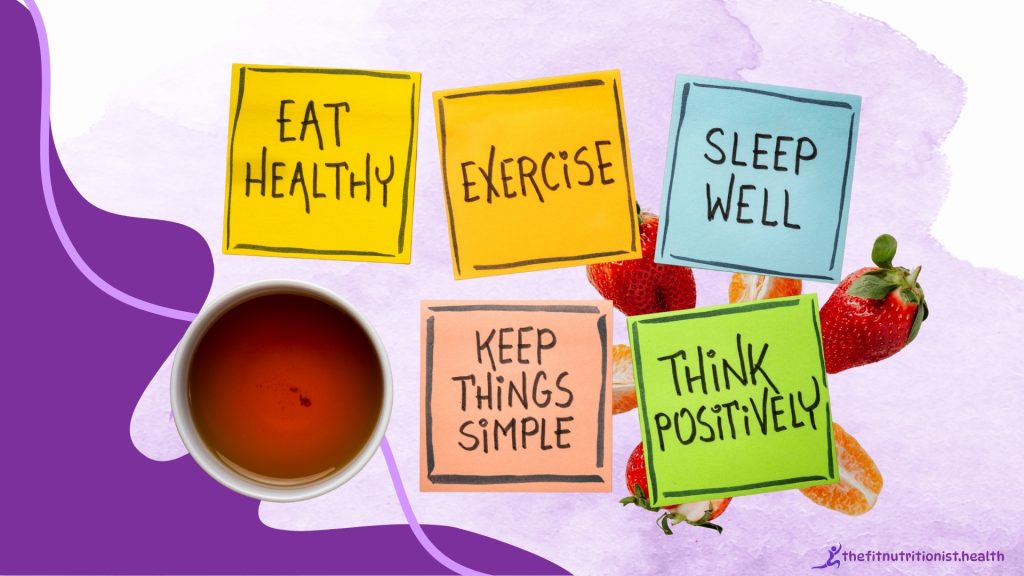
Meal Planning Makes Success Easier: Planning meals helps prevent impulsive eating and ensures a balanced diet. Dedicate one day weekly to meal prep. Cook large batches of healthy proteins, chop vegetables, and prepare grab-and-go snacks.
Keep your kitchen well-stocked with convenient and healthy options. Having cut vegetables, hard-boiled eggs, and Greek yogurt readily available makes nutritious choices effortless.
Consider meal delivery services or pre-prepped ingredients during those chaotic early months. While more expensive, they prevent defaulting to takeout when you’re exhausted.
Time Your Exercise Around Feeding: Exercise before breastfeeding to avoid uncomfortable engorgement. If your baby won’t nurse after exercising, try rinsing your breasts or waiting 30 minutes. Most babies don’t notice any difference in taste.
Schedule workouts when your partner or family member can watch the baby. This reduces stress and allows you to focus fully on exercise.
Choose Lower-Carb, Not No-Carb Approaches: Low-carb diets can support weight loss, but severe carbohydrate restriction isn’t recommended while breastfeeding. Your body needs carbs for milk production and energy. Focus on complex carbohydrates like quinoa, sweet potatoes, and whole grains. Limit refined carbs like white bread, pasta, and sugary treats.
Pair carbohydrates with protein and healthy fats to stabilize blood sugar. This combination prevents energy crashes and reduces cravings throughout the day.
Incorporate Strength Training Early: Building muscle increases resting metabolic rate, helping you burn more calories throughout the day. Start with bodyweight exercises like squats, lunges, and modified push-ups. Add resistance bands or light weights once cleared by your doctor. Aim for two strength sessions weekly, targeting all major muscle groups.
Strength training also improves bone density. This is especially important postpartum when bone mineral density may temporarily decrease due to breastfeeding and hormonal changes.
Track Your Progress Consistently: Use a simple journal or phone app to record meals, exercise, sleep, and emotions. Patterns emerge that reveal connections between habits and results. Weekly check-ins work better than daily weigh-ins. Choose one day weekly to measure weight, body measurements, and assess how you feel overall.
Celebrate all victories. Improved energy, better sleep, increased strength, or simply feeling more like yourself. These matters as much as pounds lost.
Take This Health Quiz!

Hey mama, when’s the last time you actually checked in with yourself? Between diaper changes and feeding schedules, your health might have taken a backseat. But here’s the thing, you can’t pour from an empty cup!
Ready to discover how healthy you really are?
We’ve created a fun, no-judgment quiz that takes just three minutes. It covers everything from nutrition and sleep to stress management and physical fitness. Think of it as a gentle reality check that actually helps instead of making you feel guilty.
Here’s what you’ll gain:
- Personalized insights about your current health status
- Actionable tips tailored to your lifestyle
- Areas needing attention (that you might have been ignoring)
- Motivation to prioritize yourself alongside your baby
- A baseline to track improvements over time
This isn’t about perfection. It’s about awareness. Once you know where you stand, you can make small changes that add up to big results. No pressure, no perfection required, just honest answers about your current reality.
Take the Health Quiz now and start your journey to feeling like yourself again!
Remember, your baby needs a healthy, energized, happy mom. That starts with understanding your current health status and making informed choices moving forward.
Reclaim Your Strength with Post Pregnancy Weight Loss Tips
Mama, your body created life. It stretched, grew, and transformed to bring your precious baby into this world. That deserves celebration, not criticism. As you work toward your health goals, remember that post pregnancy weight loss tips aren’t just about fitting into old jeans. They’re about reclaiming your strength and confidence. You don’t have to figure this out alone. At TheFitNutritionist, we specialize in personalized nutrition plans designed specifically for postpartum women. Whether you’re breastfeeding, managing health conditions, or simply feeling overwhelmed. We create customized strategies that fit your unique situation. Get a custom health plan now!
FAQs on Post Pregnancy Weight Loss Tips

How can I slim down fast after pregnancy?
There’s no safe “fast” method for post pregnancy weight loss. Your body needs time to heal from childbirth. Rapid weight loss can reduce milk supply, deplete nutrients, and trigger hormonal imbalances. Aim for 1-2 pounds weekly through balanced nutrition and gentle exercise. This sustainable pace protects your health while delivering real results.
Why can’t I lose weight after pregnancy?
Several factors affect postpartum weight loss. Hormonal changes, sleep deprivation, stress, thyroid issues, or insufficient calorie deficit. Prolactin (the milk-making hormone) can cause weight plateaus. Additionally, if you’re eating more than you realize or not moving enough, weight loss stalls. Consult your doctor to rule out medical issues like postpartum thyroiditis.
How to reduce pregnancy weight gain after delivery?
Focus on whole foods, adequate protein, and portion control. Breastfeeding burns extra calories naturally. Add gentle exercise after medical clearance, starting with walks and progressing to strength training. Stay hydrated, sleep when possible, and avoid processed foods. Consistency matters more than perfection in achieving post pregnancy weight loss tips.
How to stop weight gain after breastfeeding?
When you stop breastfeeding, you need 500-700 fewer daily calories. Gradually reduce portions or eliminate snacks to compensate. Don’t wait until you’ve gained weight. Proactively adjust eating patterns as you wean. Maintain regular exercise and monitor portion sizes carefully during this transition period.
What causes rapid weight gain after pregnancy?
Rapid postpartum weight gain may indicate thyroid dysfunction, excessive calorie intake, or hormonal imbalances. Postpartum thyroiditis affects metabolism temporarily. Stress eating, inadequate sleep, and reduced activity also contribute. If you’re gaining more than 1-2 pounds weekly, consult your healthcare provider.
How much weight gain is normal postpartum?
Most women lose 10-13 pounds immediately after delivery (baby, placenta, amniotic fluid). Additional fluid loss occurs over the first week. Some temporary weight gain (2-5 pounds) is normal in the first few weeks due to fluid retention and hormonal shifts. Continuous weight gain beyond two weeks warrants medical evaluation.
Why am I gaining weight but not eating a lot?
Several factors beyond food intake affect weight. Stress hormones, sleep deprivation, thyroid problems, or medications. You might be eating more than you realize through small snacks or drinks. Also, reduced activity from constant baby care burns fewer calories. Track everything you consume for three days to identify hidden calories.
Can drinking more water help with weight loss?
Absolutely! Water boosts metabolism, helps flush toxins, and reduces water retention. Drinking water before meals promotes fullness, reducing calorie intake. Proper hydration also prevents mistaking thirst for hunger. Aim for at least 12 cups daily, especially if breastfeeding, to support post pregnancy weight loss tips.
Will B12 help me lose weight?
Vitamin B12 supports energy metabolism but doesn’t directly cause weight loss. However, B12 deficiency can cause fatigue, reduce activity levels, and hinder weight loss efforts. If you’re deficient, supplementation may restore energy, making exercise easier. Consult your doctor before taking supplements.
Can I take vitamin B and D together?
Yes, B vitamins and vitamin D can be taken together safely. In fact, many prenatal vitamins contain both. Vitamin D is crucial for postpartum bone health and mood regulation. Continue your prenatal vitamin or switch to a postnatal formula containing these nutrients. Always speak with a medical practitioner before proceeding.