Get Started
Becoming a mother changes your body, priorities, and relationship with food. Sustainable weight loss after pregnancy is not about restriction. It is about nourishment, strategy, and patience. The best diet for weight loss after pregnancy is not about rushing your body back to a pre-baby version. It’s about respecting recovery, hormones, sleep deprivation, and cultural food realities while still making progress. As a fitness and nutrition professional working with postpartum women, I’ve seen this moment countless times. New mothers are exhausted, overwhelmed, and eager to feel like themselves again, yet confused by conflicting advice online.
Key Statistics:
- MedlinePlus guidelines state most women lose half their baby weight by 6 weeks postpartum.medlineplus
- CDC recommends exclusively breastfeeding mothers consume 500 extra daily calories from nutrient-dense foods.medlineplus
- Postpartum women, on average, lose 3.94 kg by week 16 and 4.08 kg by week 24 with structured diet interventions.liebertpub
- Approximately 75% of women remain heavier 1 year postpartum than pre-pregnancy, with 47.4% retaining over 10 lbs.national library of medicine
- CDC advises aiming for 1-1.5 pounds weekly weight loss post-pregnancy via healthy eating and approved exercise.cdc+1
- Postpartum cohorts demonstrate completers lose 5.09 kg more than non-completers in diet programs over 24 weeks.liebertpub
- 19% of overweight postpartum women shift to normal BMI range within 24 weeks on calorie-controlled diets.liebertpub
- CDC reports half of women retain over 4.5 kg at 24 weeks postpartum without targeted dietary interventions.liebertpub
Nutrients For the Best Diet for Weight Loss After Pregnancy
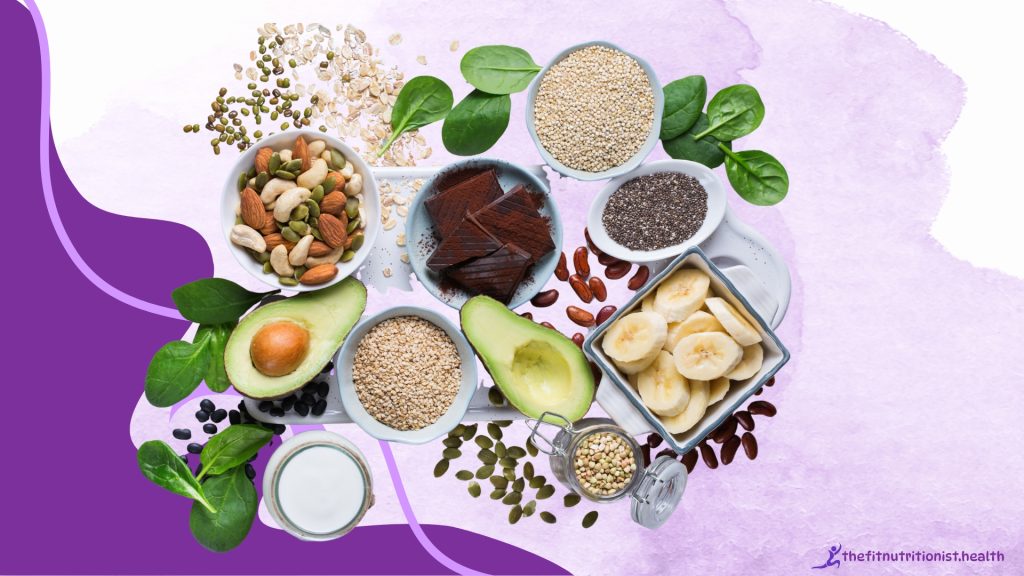
Your body leaves pregnancy in recovery mode, not fat-loss mode. Nutrient gaps, hormone shifts, and tissue repair all influence weight changes. Micronutrients guide metabolism, appetite signals, and energy levels. The best diet for weight loss after pregnancy starts with restoring depleted nutrients before cutting calories. A health coach provides support to accelerate your progress by identifying hidden deficiencies and adjusting intake safely.
Protein for Muscle Repair and Metabolic Support
Protein needs rise after delivery due to tissue repair and muscle rebuilding. Many postpartum women under-eat protein without realizing it. This slows metabolism and increases hunger later in the day. Adequate protein intake improves recovery and long-term fat loss.
Why protein matters postpartum:
- Preserves lean muscle during weight loss
- Improves fullness hormones like GLP-1
- Stabilizes blood sugar between meals
- Supports pelvic floor and core healing
Higher-protein diets improve body composition without harming milk supply. Aim for protein at every meal and snack. Lean meats, eggs, Greek yogurt, beans, and tofu work well. The best diet for weight loss after pregnancy supports healing, so fat loss feels easier, not forced.
Omega-3s for Inflammation and Hormone Balance
Pregnancy and birth increase systemic inflammation. Omega-3 fatty acids help calm this response. They also support brain health and insulin sensitivity. This combination makes fat loss more efficient and sustainable.
Omega-3s, especially DHA and EPA, support:
- Reduced joint and muscle soreness
- Improved insulin response
- Better mood regulation
- Healthier lipid metabolism
Omega-3 intake is often too low postpartum. Fatty fish, chia seeds, flaxseeds, and walnuts help close the gap. Supplementation may help when food intake is limited. The best diet for weight loss after pregnancy reduces fatigue, cravings, and metabolic slowdown.
Get over 50 meal recipes from Thefitnutritionist’s recipe e-book!”
Iron for Energy and Exercise Tolerance
Blood loss during delivery raises iron needs. Low iron causes fatigue, dizziness, and poor workout tolerance. These symptoms often get mistaken for “normal mom tiredness.” Addressing iron deficiency restores energy and motivation.
Iron supports:
- Oxygen delivery to muscles
- Aerobic capacity and endurance
- Thyroid hormone activity
- Cognitive focus and mood
Postpartum iron deficiency rates remain high at 6 months. Red meat, lentils, spinach, and fortified cereals help replenish stores. Pair iron-rich foods with vitamin C for better absorption. Choosing the best diet for weight loss after pregnancy helps protect muscle while encouraging steady progress. Discover real wins in success stories here.
Vitamin D for Fat Metabolism and Mood
Vitamin D acts like a hormone in the body. It influences fat oxidation, immune health, and serotonin levels. Low vitamin D correlates with slower weight loss and higher depression risk.
Vitamin D helps by:
- Improving insulin sensitivity
- Supporting muscle strength
- Regulating appetite hormones
- Enhancing mood and motivation
Sun exposure helps, but many women still fall short. Fatty fish, fortified milk, and supplements can help close gaps. Blood testing offers clarity before supplementing.
Fiber for Gut Health and Appetite Control
Gut changes are common after pregnancy. Fiber feeds beneficial gut bacteria and improves digestion. It also slows glucose absorption, reducing cravings and energy crashes. This makes fiber essential for comfortable fat loss.
Fiber supports postpartum weight loss by:
- Increasing fullness between meals
- Improving bowel regularity
- Stabilizing blood sugar
- Supporting gut microbiome balance
The CDC recommends 25-30 grams daily, yet most women consume less. Vegetables, berries, oats, beans, and seeds are simple additions. Increase fiber slowly to avoid discomfort.
Ready to transform your body after baby? Check out these postpartum fitness trainer secrets new moms love.
Pop Quiz: How Well Do You Know Your Health?

Ever wonder how much your daily habits really support your health? Most people guess. Very few actually know. This quick, low-pressure quiz helps you understand where you stand without judgment. It’s not about perfection. It’s about awareness. You’ll answer simple questions and get insight into nutrition, movement, sleep, and stress patterns.
Why take it?
- Spot hidden gaps in your routine
- Learn one improvement you can start today
- Build confidence in your choices
Think of it as a friendly check-in, not a test. When you’re ready, explore this free Thefitnutritionist Health Quiz.
Meal Plans After Pregnancy Weight Loss
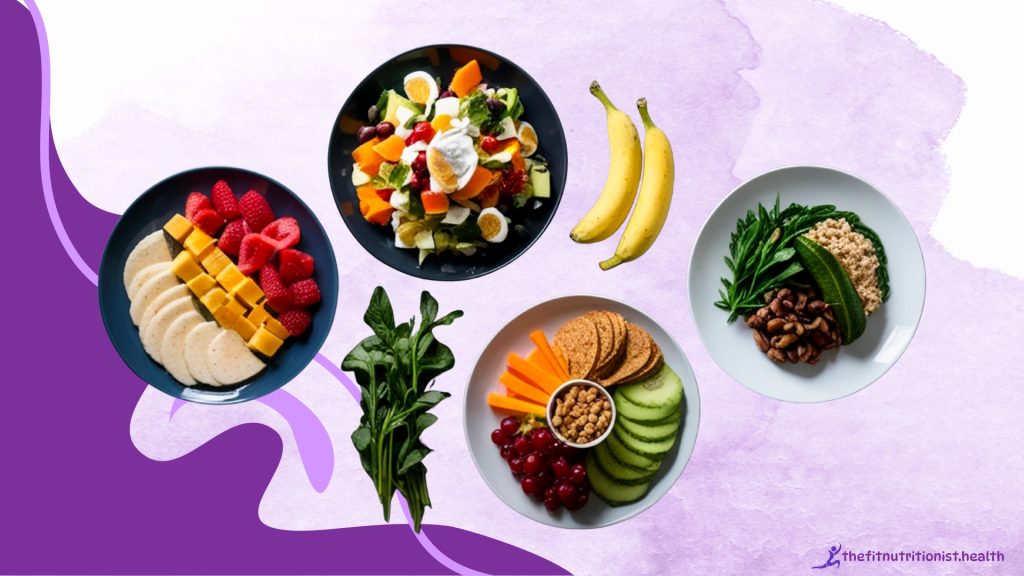
Meal plans turn good intentions into daily action. These frameworks simplify choices when energy and time feel limited. It’s crucial to have an approach that balances nutrients without strict rules or calorie obsession. Structure should create freedom, not pressure. The best diet for weight loss after pregnancy works best when meals are simple and repeatable. A skilled health coach provides tailored support to accelerate your progress by adjusting portions and timing to your lifestyle.
Mediterranean-Inspired Recovery Meals
This pattern mirrors eating styles linked to longevity and lower inflammation. It works well postpartum because it emphasizes variety and satisfaction. Meals feel abundant, not restrictive. Recovery and fat loss happen together.
Core features of this plan:
- Abundant vegetables and leafy greens
- Olive oil is the main fat source
- Fatty fish for omega-3 intake
- Beans and lentils for fiber and protein
Studies link Mediterranean-style diets to improved insulin sensitivity. This helps reduce stubborn postpartum fat storage. Meals are flavorful and culturally adaptable. The best diet for weight loss after pregnancy removes guesswork during exhausted moments.
High-Protein Balanced Plate Meals
This structure uses visual balance instead of tracking. Protein anchors every plate. Carbohydrates fuel recovery without spikes. Healthy fats improve satiety.
Balanced plate method:
- ¼ plate lean protein
- ¼ plate complex carbohydrates
- ½ plate vegetables
- Added fats from olive oil, avocado, or nuts
Higher protein intake preserves muscle during weight loss. Research shows it also reduces late-night snacking. This approach works well for breastfeeding mothers. Choosing the best diet for weight loss after pregnancy helps you eat consistently without perfection.
Gentle Low-Glycemic Meal Structure
Blood sugar swings increase cravings and fatigue. Low-glycemic meals prevent sharp glucose spikes. Energy stays steady throughout the day. This supports consistent activity and mood.
Low-GI focus includes:
- Whole grains instead of refined carbs
- Beans, lentils, and vegetables
- Balanced protein with each meal
- Minimal added sugars
Stable blood sugar improves appetite control. This approach suits women with histories of insulin resistance or gestational diabetes. Following the best diet for weight loss after pregnancy supports fat loss while protecting milk supply and energy.
Sample 3-Day Postpartum Meal Table
This sample shows how simplicity looks in real life. Meals repeat ingredients to save time. Portions stay flexible based on hunger. Variety still feels satisfying.
| Day | Breakfast | Lunch | Dinner |
| 1 | Greek yogurt, berries | Lentil salad | Salmon, vegetables |
| 2 | Eggs, toast | Chicken bowl | Stir-fry tofu |
| 3 | Oats, seeds | Bean soup | Grilled fish |
These meals align with the best diet for weight loss after pregnancy by balancing protein, fiber, and fats.
Grocery Planning for Busy Moms
Planning once reduces daily stress. Repeating staples saves time and money. Grocery lists create consistency without boredom. This supports long-term adherence. The best diet for weight loss after pregnancy prioritizes nourishment over rigid plans.
Smart grocery planning tips:
- Choose 3 proteins per week
- Rotate 5 vegetables
- Keep frozen backups
- Prep one grain in bulk
Consistency beats variety early postpartum. Over time, flexibility increases naturally. The best diet for weight loss after pregnancy adapts easily to preferences and cultures.
Sustainable Postpartum Diet Strategies
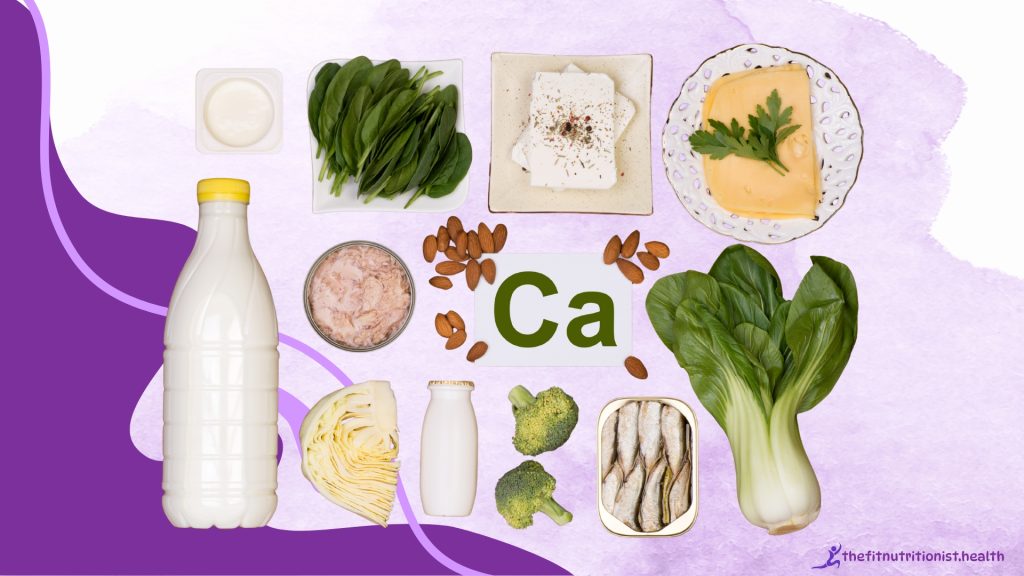
Long-term success depends on habits that survive real life. Sleep loss, stress, and hormones all affect appetite and metabolism. Sustainable strategies prevent rebound weight gain and burnout. The best diet for weight loss after pregnancy focuses on habits you can repeat on hard days.
How to Sustain Weight Loss After Pregnancy Long-Term?
Consistency matters more than perfection. Small habits repeated daily outperform short bursts of intensity. Sustainable weight loss respects energy limits and changing schedules. Long-term success comes from flexibility.
Key sustainability principles include:
- Eating regular meals to avoid extreme hunger
- Prioritizing protein and vegetables daily
- Allowing flexibility during high-stress weeks
- Returning to basics after disruptions
Gradual lifestyle changes reduce the risk of weight regain. Maintenance begins during the weight loss phase itself. The best diet for weight loss after pregnancy evolves with sleep, stress, and recovery needs.
Adaptive Carb Cycling with Sleep Patterns
Sleep affects insulin sensitivity and hunger hormones. Better sleep supports carb tolerance. Poor sleep increases stress hormone output. Adjusting carbs based on sleep improves results.
Adaptive carb cycling works by:
- Lower carbs after restful nights
- Moderate carbs during average sleep
- Higher carbs after very poor sleep
- Pairing carbs with protein consistently
This approach reduces cravings without restriction. It also supports milk production and recovery.
Mindful Eating Without Restriction
Restriction increases stress and overeating cycles. Mindful eating rebuilds hunger awareness. Slowing down improves digestion and satisfaction. Awareness replaces rigid food rules.
Mindful eating habits include:
- Eating without screens when possible
- Pausing between bites
- Noticing fullness cues
- Removing guilt from food choices
This method aligns well with the best diet for weight loss after pregnancy by reducing stress.
Portion Awareness Over Calorie Counting
Tracking calories increases mental load. Portion awareness simplifies decisions. Visual cues reduce anxiety around food. This approach supports adherence.
Helpful portion cues:
- Palm-sized protein servings
- Fist-sized vegetables
- Cupped-hand carbohydrates
- Thumb-sized fats
The best diet for weight loss after pregnancy supports awareness without obsession.
Movement-Supported Nutrition
Movement enhances dietary effects. Walking improves fat oxidation. Gentle strength training preserves muscle. Recovery remains protected.
Movement supports nutrition by:
- Improving insulin sensitivity
- Reducing inflammation
- Enhancing mood and motivation
- Supporting long-term maintenance
Consistent walking improves postpartum health outcomes. Pairing movement with nutrition multiplies benefits.
For more, explore our Blog on sustainable fat loss habits.
Pro Tips
- Eat Enough Before Trying to Eat Less: Under-eating stalls recovery and fat loss.
- Keep Protein Consistent Daily: Protein stabilizes appetite and preserves muscle.
- Hydration Is Non-Negotiable: Dehydration mimics hunger and fatigue.
- Walk More Than You Think: Low-intensity movement supports fat oxidation.
- Ask for Help Early: Support improves adherence and mental health.
The Best Diet for Weight Loss After Pregnancy Starts with You
Your body carried life. That deserves respect, not punishment. The best diet for weight loss after pregnancy supports healing, energy, and confidence. Sustainable results come from aligned nutrition, realistic meals, and compassionate expectations. Do you want guidance for your body, lifestyle, and goals? Visit Thefitnutritionist to explore custom plans designed for real postpartum life. You don’t need to do this alone. Get a custom health plan now!
FAQs
Why is postpartum weight so hard to lose?
Hormonal shifts after birth encourage the body to store fat for recovery and survival. Sleep deprivation raises hunger hormones like ghrelin while lowering fullness cues. Your body also needs extra energy to heal tissues and, for some women, support breastfeeding.
How long does it normally take to lose postpartum weight?
Most women lose postpartum weight gradually over a period of 6 to 12 months. This timeline allows hormones, metabolism, and energy levels to stabilize. Faster weight loss often leads to fatigue, mood changes, and rebound weight gain.
Does your metabolism get worse after having a baby?
Your metabolism doesn’t break, but it does adapt to stress, sleep loss, and reduced activity. These changes can temporarily slow fat loss. With adequate food intake, gentle movement, and improved sleep, metabolism recalibrates.
Why is my body holding onto weight postpartum?
Postpartum hormones prioritize survival, healing, and milk production when applicable. Fat storage during this period is biologically protective. This response is not a sign of failure or lack of effort.
What is the best diet to lose weight after having a baby?
The best diet for weight loss after pregnancy is balanced, nutrient-dense, and flexible. It emphasizes protein, fiber, healthy fats, and adequate calories. This approach supports healing, hormones, and energy first. Weight loss follows as a secondary benefit.
What is the quickest way to lose weight after having a baby?
Rapid weight loss often compromises recovery and mental health. It can worsen fatigue, mood swings, and nutrient deficiencies. Slow, consistent changes produce better long-term outcomes. Patience protects both physical and emotional well-being.
What is the 5 5 5 rule after birth?
The 5 5 5 rule focuses on rest and recovery timelines after delivery. It encourages periods of bed rest, home rest, and gradual re-entry to activity. This guideline supports healing, not weight loss. Ignoring recovery often delays progress later.
How do models get back in shape after pregnancy?
Many models have access to trainers, chefs, childcare, and medical teams. Genetics and financial resources also play a role. Social media rarely shows the full context or timeline. Comparing yourself to curated images creates unnecessary pressure.
How to avoid weight gain after pregnancy?
Consistent meals with adequate protein and vegetables help regulate appetite. Routine movement, even walking, supports metabolism. Extreme restriction increases rebound risk. Balance and structure work better than strict rules.
Is it possible to get a flat stomach again after pregnancy?
Yes, but it takes time, patience, and core rehabilitation. Abdominal muscles and connective tissue need gradual rebuilding. Healing must come before aesthetics. A strong core supports posture, strength, and confidence long-term.